

Hey there! As a supplier of oil-immersed transformers, I've seen firsthand the importance of having a proper fire-proof enclosure for these essential pieces of equipment. In this blog post, I'm gonna walk you through how to design and install a fire-proof enclosure for an oil-immersed transformer.
Why a Fire-Proof Enclosure?
First off, let's talk about why you even need a fire-proof enclosure for your oil-immersed transformer. Oil-immersed transformers use oil as a coolant and insulator. While this is great for normal operation, in the event of a malfunction or a short circuit, there's a risk of the oil catching fire. A fire can not only damage the transformer itself but also pose a serious threat to the surrounding environment, including buildings and people.
A fire-proof enclosure acts as a barrier, containing the fire and preventing it from spreading. It gives you time to shut down the transformer safely and take appropriate measures to deal with the situation.
Designing the Fire-Proof Enclosure
Material Selection
The first step in designing a fire-proof enclosure is choosing the right materials. You need something that can withstand high temperatures and resist fire. Some common materials used for fire-proof enclosures include:
- Fire-Resistant Steel: This is a popular choice because it's strong, durable, and can handle high temperatures. It can be fabricated into various shapes and sizes to fit your transformer.
- Concrete: Concrete is another great option. It has excellent fire-resistant properties and can be molded to create a custom enclosure. However, it's heavy and may require more planning for installation.
- Fire-Resistant Fiberglass: Fiberglass is lightweight and easy to work with. It's also resistant to fire and corrosion, making it a good choice for smaller transformers or in areas where weight is a concern.
Size and Dimensions
The size of the enclosure is crucial. It needs to be big enough to house the transformer comfortably, with enough space for maintenance and ventilation. You should also consider the future expansion of the transformer or any additional equipment that might be added later.
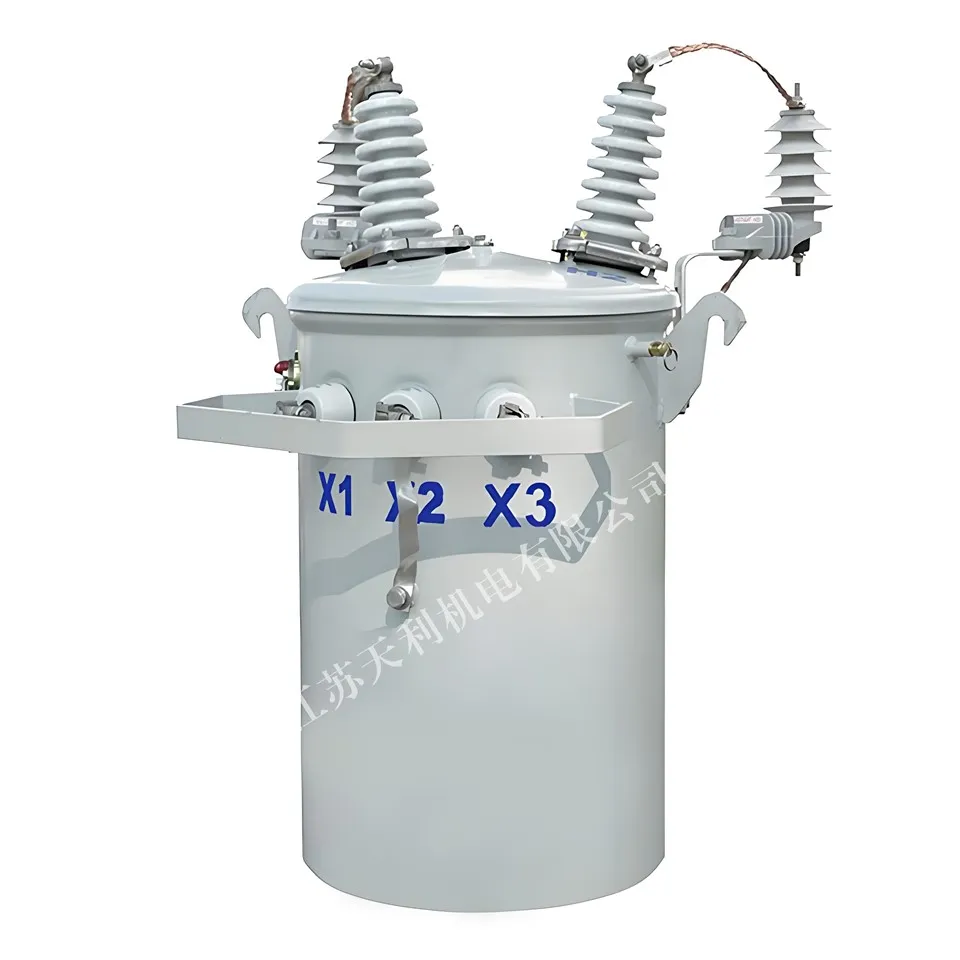

To determine the right size, measure the dimensions of the transformer, including its height, width, and length. Add some extra space around the transformer for clearance. A general rule of thumb is to have at least 12 inches of clearance on all sides.
Ventilation
Ventilation is essential for a fire-proof enclosure. It helps to remove heat and prevent the build-up of combustible gases. You can design vents in the enclosure to allow for natural or forced ventilation.
Natural ventilation uses the principle of hot air rising. You can install vents at the top and bottom of the enclosure to create a chimney effect. Forced ventilation, on the other hand, uses fans to blow air in and out of the enclosure. This is more effective in removing heat but requires additional power and maintenance.
Access Points
The enclosure should have easy access points for maintenance, inspection, and emergency shutdown. You can include doors, hatches, or removable panels. Make sure these access points are fire-resistant and can be sealed properly to prevent the spread of fire.
Installing the Fire-Proof Enclosure
Site Preparation
Before installing the enclosure, you need to prepare the site. The area should be level, stable, and free of any debris or obstacles. You may need to pour a concrete foundation or use a steel frame to support the enclosure.
Make sure the site is also accessible for the installation team and any equipment that will be used during the installation process.
Assembly
Once the site is ready, it's time to assemble the enclosure. If you're using pre-fabricated panels, follow the manufacturer's instructions for installation. Connect the panels securely using bolts, welds, or other appropriate fasteners.
If you're building the enclosure on-site, start by erecting the frame and then attaching the fire-resistant materials. Make sure all the joints are sealed properly to prevent any gaps where fire could escape.
Electrical Connections
After the enclosure is assembled, you need to make the electrical connections. This includes connecting the transformer to the power supply, grounding the enclosure, and installing any monitoring or control systems.
It's important to follow all electrical codes and regulations when making these connections. If you're not familiar with electrical work, it's best to hire a qualified electrician.
Testing
Once the installation is complete, it's time to test the enclosure. Check for any leaks, gaps, or other issues that could compromise its fire-resistant properties. You can also perform a fire test to make sure the enclosure can withstand a fire for the required amount of time.
Our Oil-Immersed Transformers
As an oil-immersed transformer supplier, we offer a wide range of products to meet your needs. Check out our Single-phase Pole-mounted Transformer, 35kV Series Oil-immersed Distribution, and 20kVSeries Oil-immersed Distribution Transformer. These transformers are designed to be reliable and efficient, and with a proper fire-proof enclosure, you can ensure their safe operation.
Contact Us for Procurement
If you're interested in purchasing our oil-immersed transformers or need help with designing and installing a fire-proof enclosure, don't hesitate to contact us. We have a team of experts who can provide you with the best solutions for your needs. Let's work together to ensure the safety and reliability of your electrical systems.
References
- National Fire Protection Association (NFPA) Standards
- International Electrotechnical Commission (IEC) Standards
- Manufacturer's Guidelines for Oil-Immersed Transformers and Fire-Proof Enclosures