

What is the Cost of an Oil - Immersed Transformer?
As a supplier of oil - immersed transformers, I often receive inquiries about the cost of these essential electrical devices. Understanding the cost factors of oil - immersed transformers is crucial for both consumers and industry professionals. In this blog, I will delve into the various elements that contribute to the cost of an oil - immersed transformer.
1. Raw Materials
The cost of raw materials is a significant determinant of the overall price of an oil - immersed transformer. The core of the transformer is typically made of high - quality silicon steel, which provides low magnetic loss and high magnetic permeability. The price of silicon steel can fluctuate depending on market conditions, such as supply and demand, and the quality of the steel. For example, high - grade silicon steel with better magnetic properties will be more expensive.
The copper or aluminum windings also play a vital role. Copper is a more commonly used material for windings due to its excellent electrical conductivity. However, copper prices are subject to global market trends. Aluminum, on the other hand, is a more cost - effective alternative, but it has lower conductivity compared to copper. The amount of copper or aluminum used in the windings depends on the transformer's capacity and design.
The insulating oil is another important raw material. It not only provides electrical insulation but also helps in cooling the transformer. The quality and type of insulating oil can vary, and higher - quality oils with better dielectric properties and longer service life will increase the cost of the transformer.
2. Transformer Capacity
The capacity of an oil - immersed transformer, measured in kilovolt - amperes (kVA) or megavolt - amperes (MVA), has a direct impact on its cost. Generally, as the capacity increases, the cost of the transformer also rises. Larger transformers require more raw materials, such as a bigger core and more windings, to handle higher power levels. For instance, a 220kV Oil - immersed Transformer with a high capacity will be significantly more expensive than a small - capacity distribution transformer.
3. Design and Complexity
The design of the transformer can also affect its cost. Transformers with more complex designs, such as those with special features like on - load tap changers, are more expensive. On - load tap changers allow for the adjustment of the transformer's output voltage while it is in operation, which is useful in applications where the input voltage may vary.
Custom - designed transformers, which are tailored to specific customer requirements, will also incur higher costs. These may include transformers with unique dimensions, special insulation requirements, or specific performance characteristics.
4. Manufacturing Process
The manufacturing process of an oil - immersed transformer involves several steps, including core cutting, winding, assembly, and testing. The complexity of the manufacturing process can influence the cost. For example, transformers that require precise winding techniques or special assembly procedures will be more expensive to produce.
Quality control during the manufacturing process is also crucial. Transformers that undergo more rigorous testing and inspection to ensure compliance with international standards will have a higher cost. This is because the additional testing and quality assurance measures add to the overall production time and resources.
5. Market Conditions
Market conditions, such as competition and economic factors, can also impact the cost of oil - immersed transformers. In a highly competitive market, suppliers may offer more competitive prices to attract customers. On the other hand, economic factors such as inflation, exchange rates, and energy prices can affect the cost of raw materials and manufacturing, which in turn influences the price of the transformers.
6. Installation and Maintenance
The cost of an oil - immersed transformer is not limited to its purchase price. Installation costs can vary depending on the location and complexity of the installation. For example, installing a transformer in a remote area or in a difficult - to - access location may require additional equipment and labor, increasing the overall cost.
Maintenance is also an important consideration. Regular maintenance, including oil testing, insulation resistance testing, and visual inspections, is necessary to ensure the proper functioning and longevity of the transformer. The cost of maintenance can vary depending on the type and size of the transformer, as well as the frequency of maintenance.

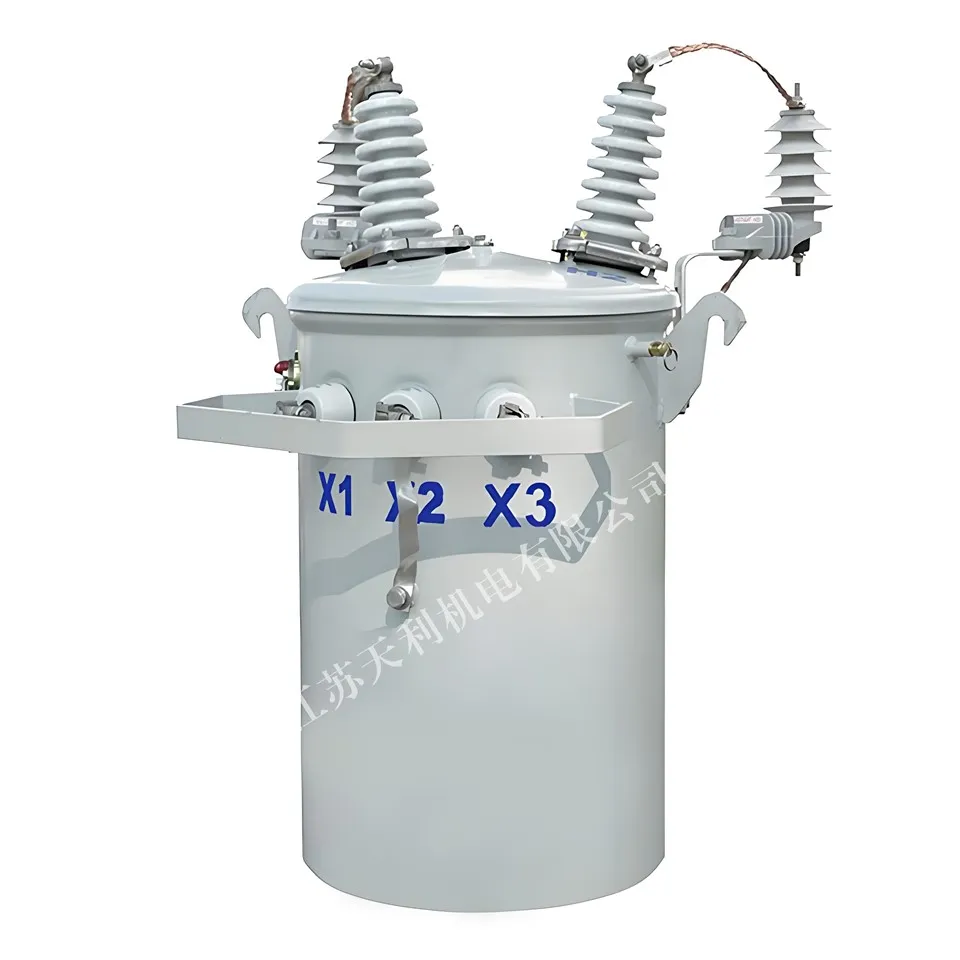
7. Different Types of Oil - Immersed Transformers
There are various types of oil - immersed transformers, each with its own cost characteristics. For example, Single - phase Pole - mounted Transformer are relatively smaller and less expensive compared to large - scale power transformers. They are commonly used in residential and small commercial applications.
20kV Series Oil - immersed Distribution Transformer are designed for distribution networks and have a medium capacity. Their cost is influenced by factors such as the number of phases, capacity, and the specific requirements of the distribution system.
In conclusion, the cost of an oil - immersed transformer is determined by a combination of factors, including raw materials, capacity, design, manufacturing process, market conditions, and installation and maintenance costs. As a supplier, we strive to provide high - quality transformers at competitive prices. We understand that each customer has unique requirements, and we are committed to working with you to find the most suitable transformer solution for your needs.
If you are interested in purchasing an oil - immersed transformer or have any questions about our products, please feel free to contact us for a detailed quote and further discussion. We look forward to the opportunity to serve you and contribute to your electrical projects.
References
- "Electrical Transformers: Principles, Design, and Applications" by J. R. Lucas
- "Power System Analysis and Design" by J. Duncan Glover, M. S. Sarma, and Thomas J. Overbye