

Selecting the appropriate protection relays for a medium frequency transformer can be a bit of a head - scratcher, but don't worry! As a Medium Frequency Transformer supplier, I've got some insights that'll make this process easier for you.
Let's start by understanding what medium frequency transformers are. A Medium Frequency Transformer is designed to operate at frequencies higher than the standard 50 or 60 Hz found in most mains power systems. These transformers are commonly used in applications like induction heating, high - frequency power supplies, and some electric vehicle charging systems.
Now, why do we need protection relays for these transformers? Well, medium frequency transformers can face a variety of issues such as overcurrent, overvoltage, short - circuits, and ground faults. Protection relays act as the guardians of these transformers, detecting abnormal conditions and taking action to prevent damage.
Types of Protection Relays for Medium Frequency Transformers
Overcurrent Relays
Overcurrent is a common problem in transformers. When the current flowing through a transformer exceeds its rated value, it can cause excessive heating, which in turn can damage the insulation of the windings. Overcurrent relays are designed to detect this abnormal current and trip the circuit breaker to isolate the transformer from the power source.
There are two types of overcurrent relays: definite time overcurrent relays and inverse time overcurrent relays. Definite time overcurrent relays operate after a fixed time delay once the overcurrent condition is detected. On the other hand, inverse time overcurrent relays have a variable time delay that decreases as the magnitude of the overcurrent increases. For medium frequency transformers, inverse time overcurrent relays are often preferred as they can be more responsive to varying levels of overcurrent.
Overvoltage Relays
Overvoltage can occur due to lightning strikes, sudden load changes, or problems in the power grid. High voltages can cause insulation breakdown in the transformer windings, leading to a short - circuit. Overvoltage relays are used to monitor the voltage across the transformer. If the voltage exceeds a pre - set limit, the relay will trip the circuit breaker.
When selecting an overvoltage relay for a medium frequency transformer, it's important to consider the operating frequency. Some relays are designed for specific frequency ranges, and using a relay that's not suitable for the medium frequency can lead to inaccurate readings and false tripping.
Differential Relays
Differential relays are used to detect internal faults in the transformer. They work by comparing the current entering and leaving the transformer. Under normal conditions, the current entering the transformer should be equal to the current leaving it. However, if there's an internal fault, such as a short - circuit in the windings, the current balance will be disrupted.
Differential relays are very sensitive and can quickly detect even small faults in the transformer. But they require careful installation and calibration, especially for medium frequency transformers. The high - frequency characteristics of the transformer can affect the performance of the differential relay, so it's crucial to choose a relay that can operate accurately at the medium frequency.
Earth Fault Relays
Earth faults can occur when there's a connection between the transformer's electrical system and the ground. This can be dangerous as it can cause electric shock and damage to the equipment. Earth fault relays are designed to detect these faults and trip the circuit breaker.
For medium frequency transformers, the design of the earth fault relay needs to take into account the high - frequency components. Some earth fault relays may not be able to accurately detect faults at medium frequencies, so it's important to select a relay specifically designed for this application.
Factors to Consider When Selecting Protection Relays
Frequency Compatibility
As mentioned earlier, medium frequency transformers operate at frequencies higher than the standard mains frequency. Therefore, the protection relays must be compatible with the operating frequency of the transformer. Using a relay designed for 50 or 60 Hz in a medium frequency application can lead to inaccurate operation and potentially leave the transformer unprotected.
Sensitivity and Selectivity
The protection relays need to be sensitive enough to detect even small faults in the transformer. At the same time, they should be selective, meaning they should only trip when there's a fault in the protected transformer and not due to normal variations in the power system. Achieving the right balance between sensitivity and selectivity is crucial for the reliable operation of the protection system.
Response Time
In case of a fault, the protection relays need to act quickly to isolate the transformer from the power source. The response time of the relay depends on its design and the type of fault. For example, differential relays can have a very fast response time, which is important for detecting internal faults in the transformer.

Cost and Maintenance
Cost is always a factor when selecting protection relays. You want to choose relays that offer good performance at a reasonable price. Additionally, consider the maintenance requirements of the relays. Some relays may require more frequent calibration and testing than others.
Comparison with Other Types of Transformers
It's interesting to compare the protection requirements of medium frequency transformers with other types of transformers, such as Electric Furnace Transformer and Isolation Transformer.
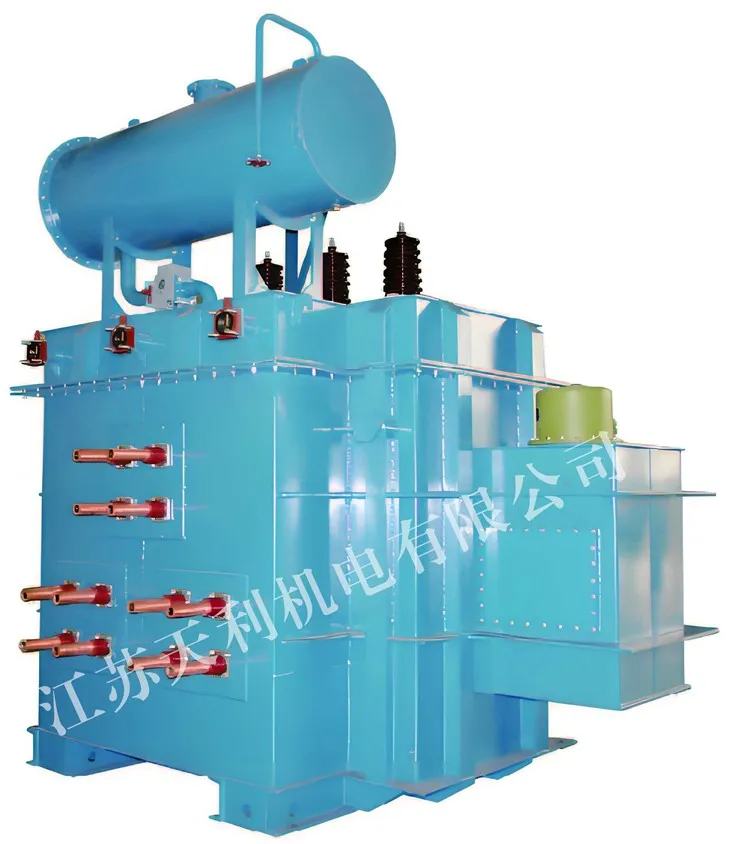
Electric furnace transformers are used to supply power to electric furnaces. These transformers often operate under high - load conditions and can experience large current surges. The protection relays for electric furnace transformers need to be able to handle these high - current situations and provide reliable overcurrent protection.
Isolation transformers, on the other hand, are used to isolate electrical circuits for safety reasons. They typically operate at lower power levels compared to medium frequency and electric furnace transformers. The protection requirements for isolation transformers may be less stringent, but still, overcurrent and overvoltage protection are important.
Conclusion
Selecting the appropriate protection relays for a medium frequency transformer is a critical task that requires careful consideration of various factors. As a Medium Frequency Transformer supplier, I can tell you that the right protection relays can significantly extend the lifespan of the transformer and ensure the safety of your electrical system.
If you're in the market for medium frequency transformers and need help with selecting the right protection relays, I'd love to have a chat with you. We can discuss your specific requirements, and I can provide you with the best solutions for your application. Feel free to reach out and start a conversation about your procurement needs.
References
- Anderson, P. M. (1999). Power System Protection. Wiley - Interscience.
- Blackburn, J. L. (2007). Protective Relaying: Principles and Applications. Marcel Dekker.
- El - Hawary, M. E. (2014). Electric Power Systems: Design and Analysis. CRC Press.