

In the dynamic landscape of power systems, Phase - shifting Transformer technology stands at the forefront of innovation, promising to reshape the future of electricity transmission and distribution. As a dedicated Phase - shifting Transformer supplier, I am excited to delve into the future trends of this remarkable technology and explore how it will impact the energy sector.
Enhanced Grid Stability and Power Flow Control
One of the most significant future trends of Phase - shifting Transformer technology is its role in enhancing grid stability and optimizing power flow. With the increasing integration of renewable energy sources such as wind and solar power, the power grid is facing new challenges in maintaining a stable and reliable supply of electricity. Phase - shifting Transformers Phase - shifting Transformer play a crucial role in addressing these challenges by allowing operators to control the phase angle of the voltage, thereby regulating the power flow between different parts of the grid.
In the future, we can expect to see more advanced Phase - shifting Transformers with improved control algorithms and faster response times. These transformers will be able to adapt to changing grid conditions in real - time, ensuring that power is distributed efficiently and effectively. For example, during periods of high renewable energy generation, Phase - shifting Transformers can be used to redirect excess power to areas where it is needed most, reducing the risk of grid congestion and blackouts.
Integration with Smart Grid Technologies
The future of Phase - shifting Transformer technology is closely intertwined with the development of smart grid technologies. Smart grids use advanced sensors, communication networks, and control systems to monitor and manage the flow of electricity in real - time. Phase - shifting Transformers can be integrated into smart grid architectures to provide more precise control over power flow and improve the overall efficiency of the grid.
For instance, by connecting Phase - shifting Transformers to a central control system, operators can remotely monitor and adjust the phase angle of the transformers based on real - time grid data. This enables more flexible and responsive grid operation, as well as better integration of distributed energy resources such as rooftop solar panels and electric vehicle charging stations. Additionally, the use of smart meters and other advanced metering infrastructure can provide valuable information about power consumption patterns, which can be used to optimize the operation of Phase - shifting Transformers and reduce energy waste.
Increased Efficiency and Reduced Losses
Efficiency is a key consideration in the design and operation of Phase - shifting Transformers. In the future, we can expect to see significant improvements in the efficiency of these transformers, thanks to advancements in materials science and manufacturing techniques. New materials such as high - temperature superconductors and advanced magnetic alloys can be used to reduce the core losses and copper losses in transformers, resulting in higher efficiency and lower energy consumption.
Moreover, the development of more advanced cooling systems can help to dissipate heat more effectively, allowing transformers to operate at higher temperatures without sacrificing performance. This not only improves the efficiency of the transformers but also extends their lifespan, reducing the need for frequent replacements and maintenance.
Application in High - Voltage Direct Current (HVDC) Transmission
High - Voltage Direct Current (HVDC) transmission is becoming an increasingly important technology for long - distance power transmission, especially for the integration of large - scale renewable energy projects. Phase - shifting Transformers can play a vital role in HVDC systems by providing phase control and power flow regulation.
In the future, we can expect to see more widespread use of Phase - shifting Transformers in HVDC transmission networks. These transformers can be used to connect different HVDC systems or to interface between HVDC and alternating current (AC) grids. By providing precise phase control, Phase - shifting Transformers can help to improve the stability and reliability of HVDC systems, as well as reduce the cost of power transmission.
Customization and Modular Design
As the demand for Phase - shifting Transformers continues to grow, there will be an increasing need for customized solutions to meet the specific requirements of different applications. In the future, we can expect to see more Phase - shifting Transformers that are designed and manufactured to meet the unique needs of individual customers.
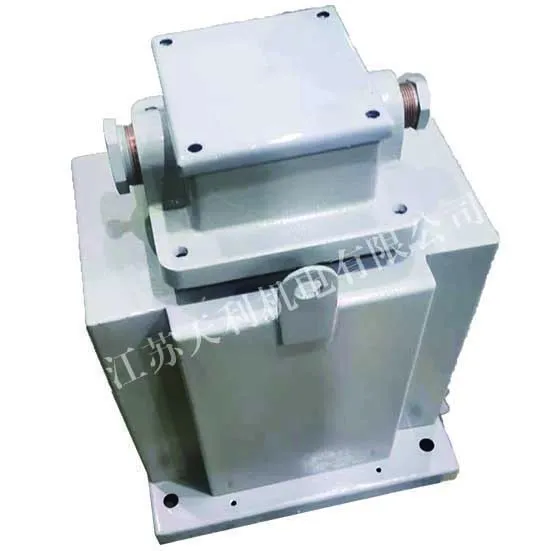
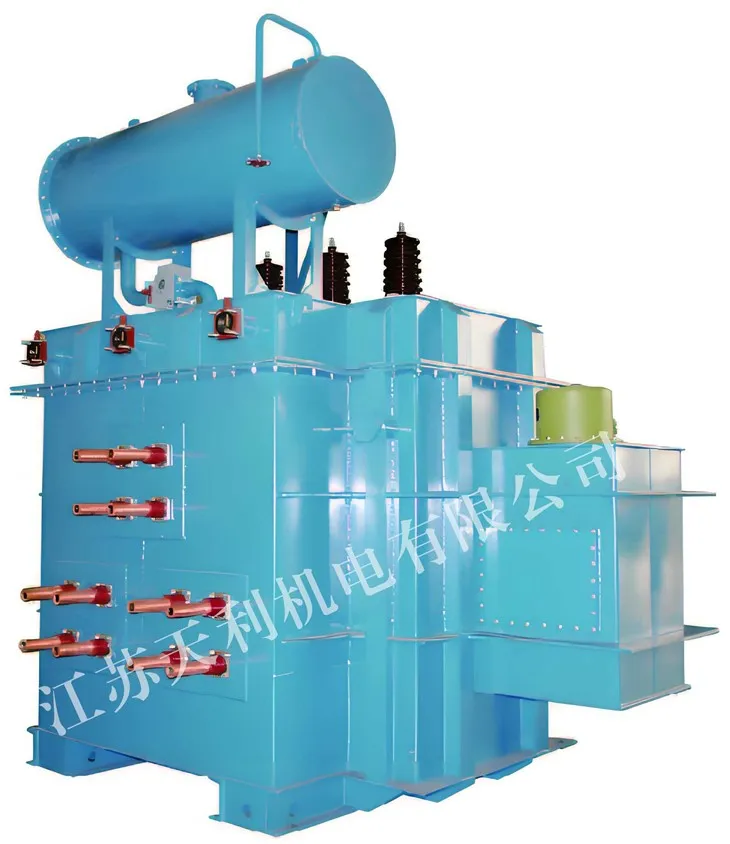
Modular design is also likely to become more prevalent in the future of Phase - shifting Transformer technology. Modular transformers can be easily assembled and disassembled, allowing for quick installation and maintenance. They also offer greater flexibility in terms of capacity expansion and system upgrades, making them an attractive option for power grid operators and industrial customers.
Environmental Considerations
In recent years, there has been a growing emphasis on environmental sustainability in the energy sector. Phase - shifting Transformer manufacturers are increasingly focusing on developing environmentally friendly products that reduce the carbon footprint and minimize the impact on the environment.
In the future, we can expect to see more Phase - shifting Transformers that are designed to use biodegradable and non - toxic insulating fluids, as well as materials that are recyclable at the end of their lifespan. Additionally, the use of energy - efficient designs and advanced control systems can help to reduce the energy consumption of transformers, further contributing to environmental sustainability.
Conclusion
The future of Phase - shifting Transformer technology is bright, with numerous exciting trends on the horizon. From enhanced grid stability and power flow control to integration with smart grid technologies, increased efficiency, and application in HVDC transmission, Phase - shifting Transformers are set to play a crucial role in the future of the energy sector.
As a Phase - shifting Transformer supplier, we are committed to staying at the forefront of these trends and providing our customers with the most advanced and reliable products. Whether you are a power grid operator, an industrial customer, or a renewable energy developer, we have the expertise and experience to meet your specific needs.
If you are interested in learning more about our Phase - shifting Transformers or would like to discuss a potential project, we encourage you to contact us for a detailed consultation. Our team of experts is ready to assist you in finding the best solution for your power transmission and distribution requirements.
References
- IEEE Transactions on Power Delivery. "Advances in Phase - shifting Transformer Technology."
- International Journal of Electrical Power & Energy Systems. "Future Trends in Power System Transformers."
- CIGRE (International Council on Large Electric Systems) publications on power transformers and grid stability.