

Hey there! As a supplier of oil-immersed transformers, I've been getting a lot of questions lately about over-temperature protection in these transformers. So, I thought I'd take some time to break it down for you.
First off, let's talk about why over-temperature protection is so important. Oil-immersed transformers work by using oil as an insulating and cooling medium. When the transformer is operating, it generates heat due to the electrical losses in the windings and core. If this heat isn't properly managed, it can cause the temperature of the oil and the transformer components to rise to dangerous levels.
High temperatures can have a number of negative effects on an oil-immersed transformer. For one, it can degrade the insulation properties of the oil and the solid insulation materials used in the transformer. This can lead to insulation breakdown, which can cause short circuits and other electrical failures. Additionally, high temperatures can accelerate the aging process of the transformer, reducing its lifespan and increasing the risk of costly repairs or replacements.
So, how do we protect oil-immersed transformers from overheating? Well, there are several different methods and technologies that we use, and I'll go over some of the most common ones below.
Temperature Sensors
One of the most basic ways to monitor the temperature of an oil-immersed transformer is by using temperature sensors. These sensors are typically placed in key locations within the transformer, such as the top oil, bottom oil, and winding hot spots. They continuously measure the temperature and send the data to a control system.
If the temperature exceeds a pre-set threshold, the control system can take action. This might include sending an alarm to the operator, automatically reducing the load on the transformer, or even shutting down the transformer to prevent damage.
Cooling Systems
Another important aspect of over-temperature protection is the cooling system. Oil-immersed transformers usually have some form of cooling mechanism to dissipate the heat generated during operation.
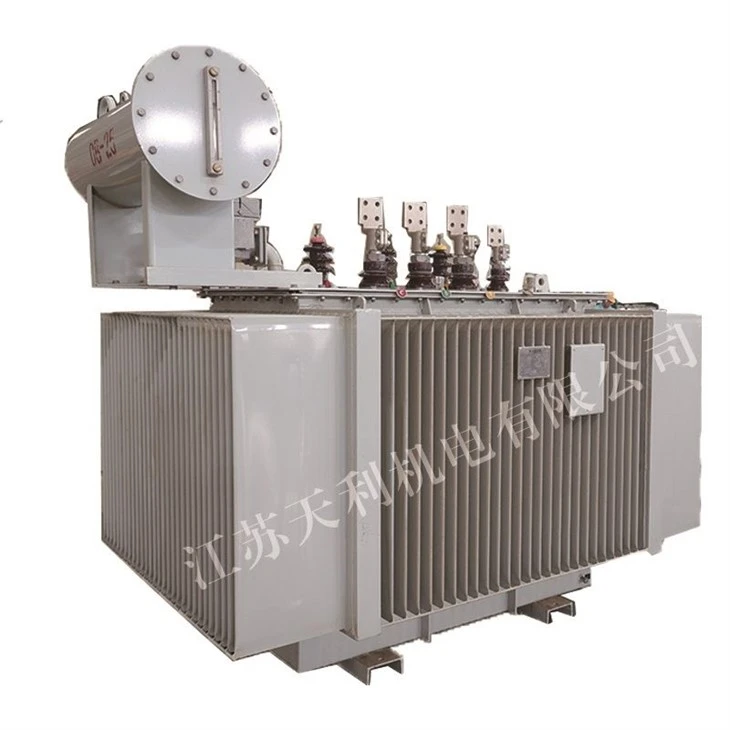
The most common type of cooling system is the oil-immersed self-cooled (ONAN) system. In this system, the heat is transferred from the transformer windings and core to the oil, which then circulates naturally through the transformer tank. The heat is then dissipated to the surrounding air through the tank walls and radiators.
For larger transformers or those operating in high-temperature environments, forced-air cooling (ONAF) or forced-oil cooling (OFAF) systems may be used. In an ONAF system, fans are used to blow air over the radiators, increasing the rate of heat transfer. In an OFAF system, pumps are used to circulate the oil more quickly through the radiators, further enhancing the cooling efficiency.
Overload Protection
Overloading is one of the main causes of overheating in oil-immersed transformers. When a transformer is overloaded, it has to handle more electrical current than it was designed for, which generates more heat.
To prevent overloading, we use overload protection devices. These devices monitor the current flowing through the transformer and compare it to the rated current. If the current exceeds a certain limit for a specified period of time, the overload protection device will trip, disconnecting the transformer from the power supply.

Automatic Voltage Regulation
Voltage fluctuations can also contribute to overheating in oil-immersed transformers. When the voltage is too high, the transformer has to work harder, which can increase the temperature.
Automatic voltage regulation (AVR) systems can help to maintain a stable voltage level. These systems continuously monitor the input voltage and adjust the tap position of the transformer's voltage regulator to keep the output voltage within a specified range. By keeping the voltage stable, the AVR system can reduce the stress on the transformer and prevent overheating.
Our Product Range
At our company, we offer a wide range of oil-immersed transformers with advanced over-temperature protection features. For example, our 10kV Series Oil-immersed Distribution Transformer is designed for reliable operation in distribution networks. It comes with high-quality temperature sensors and an efficient cooling system to ensure that the temperature stays within safe limits.
If you're looking for a transformer for a pole-mounted application, our Single-phase Pole-mounted Transformer is a great choice. It's compact, lightweight, and has excellent over-temperature protection capabilities.
For large-scale power transmission and distribution projects, we have the 220kV Oil-immersed Transformer. This transformer is built to handle high voltages and heavy loads, and it's equipped with state-of-the-art over-temperature protection technologies to ensure long-term reliability.
Conclusion
Over-temperature protection is a critical aspect of oil-immersed transformer design and operation. By using temperature sensors, cooling systems, overload protection devices, and automatic voltage regulation, we can ensure that our transformers operate safely and efficiently, even under challenging conditions.
If you're in the market for an oil-immersed transformer, we'd love to talk to you. Our team of experts can help you choose the right transformer for your specific needs and provide you with all the information you need about over-temperature protection and other important features. Don't hesitate to reach out to us for a consultation and let's start a conversation about your transformer requirements.
References
- Electric Power Substation Engineering, Third Edition by Turan Gonen
- Transformer Engineering: Design, Technology, and Diagnostics by G. Venkata Ramana