

In the realm of electrical power systems, oil-immersed transformers play a pivotal role in ensuring the efficient and reliable distribution of electricity. As a leading oil-immersed transformer supplier, we understand the critical importance of maintaining the optimal performance and safety of these essential assets. One of the most effective ways to achieve this is through the implementation of a remote monitoring system.
What is a Remote Monitoring System for an Oil-Immersed Transformer?
A remote monitoring system for an oil-immersed transformer is a sophisticated technological solution that enables real-time monitoring of various parameters and conditions of the transformer from a remote location. This system utilizes a network of sensors installed on the transformer to collect data on critical factors such as temperature, oil level, dissolved gas content, and electrical parameters. The collected data is then transmitted to a central monitoring station via a communication network, where it is analyzed and interpreted by specialized software.
The primary objective of a remote monitoring system is to detect potential issues and anomalies in the transformer's operation at an early stage, allowing for timely intervention and preventive maintenance. By continuously monitoring the transformer's condition, operators can identify trends and patterns that may indicate the onset of a problem, such as overheating, insulation degradation, or gas accumulation. This proactive approach helps to minimize the risk of unexpected failures, reduce downtime, and extend the lifespan of the transformer.
Key Components of a Remote Monitoring System
A typical remote monitoring system for an oil-immersed transformer consists of the following key components:
- Sensors: These are the devices that are installed on the transformer to measure various parameters. Common sensors used in remote monitoring systems include temperature sensors, oil level sensors, dissolved gas analyzers, and current and voltage sensors. These sensors are designed to provide accurate and reliable data on the transformer's condition.
- Data Acquisition Unit (DAU): The DAU is responsible for collecting the data from the sensors and converting it into a digital format. It also performs basic data processing and filtering to ensure the accuracy and integrity of the data.
- Communication Network: The communication network is used to transmit the data from the DAU to the central monitoring station. This can be a wired or wireless network, depending on the specific requirements of the application. Common communication technologies used in remote monitoring systems include Ethernet, Wi-Fi, cellular networks, and satellite communication.
- Central Monitoring Station: The central monitoring station is the hub of the remote monitoring system. It is equipped with specialized software that analyzes the data received from the sensors and provides real-time alerts and notifications to the operators. The software also generates reports and analytics to help operators make informed decisions about the maintenance and operation of the transformer.
Benefits of a Remote Monitoring System
The implementation of a remote monitoring system for an oil-immersed transformer offers several significant benefits, including:
- Early Detection of Issues: By continuously monitoring the transformer's condition, a remote monitoring system can detect potential issues and anomalies at an early stage, allowing for timely intervention and preventive maintenance. This helps to minimize the risk of unexpected failures and reduce downtime.
- Improved Safety: A remote monitoring system provides real-time information on the transformer's condition, allowing operators to take appropriate safety measures to prevent accidents and ensure the safety of personnel and equipment.
- Enhanced Efficiency: By optimizing the operation of the transformer, a remote monitoring system can improve its efficiency and reduce energy consumption. This helps to lower operating costs and increase the overall profitability of the power system.
- Longer Lifespan: By detecting and addressing potential issues early, a remote monitoring system can extend the lifespan of the transformer, reducing the need for costly replacements.
- Remote Access and Control: A remote monitoring system allows operators to access and control the transformer from a remote location, providing greater flexibility and convenience. This is particularly useful in situations where the transformer is located in a remote or inaccessible area.
Our Oil-Immersed Transformer Offerings
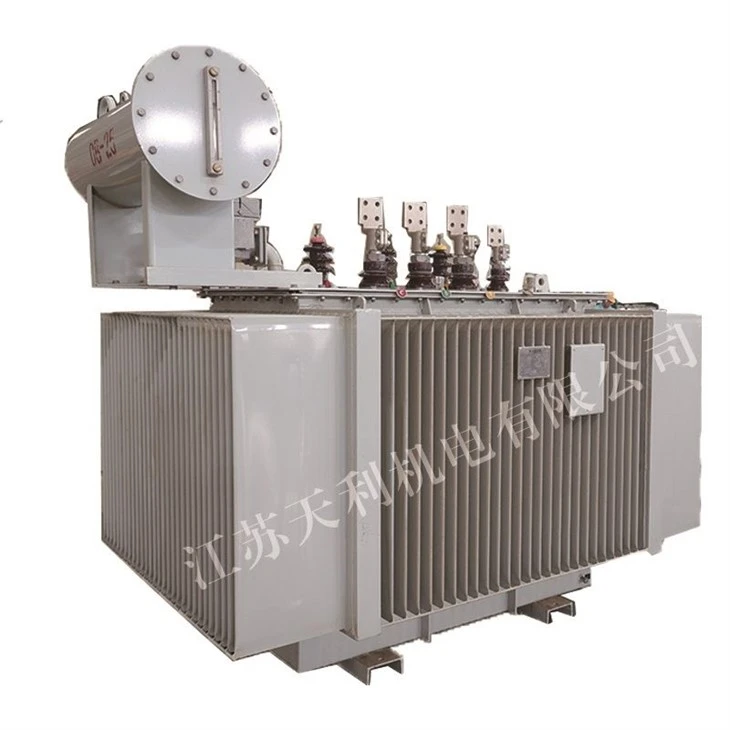
As an oil-immersed transformer supplier, we offer a wide range of high-quality transformers to meet the diverse needs of our customers. Our product portfolio includes 35kV Series Oil-immersed Distribution, 10kV Series Oil-immersed Distribution Transformer, and 20kVSeries Oil-immersed Distribution Transformer.
Our transformers are designed and manufactured to the highest standards of quality and reliability, using the latest technology and materials. We also offer a comprehensive range of services, including installation, commissioning, maintenance, and repair, to ensure the optimal performance and longevity of our transformers.
Contact Us for Procurement and Consultation
If you are interested in purchasing an oil-immersed transformer or learning more about our remote monitoring system, please do not hesitate to contact us. Our team of experienced professionals is ready to assist you with your specific requirements and provide you with the best solutions for your power system.

We look forward to the opportunity to work with you and help you achieve your goals.
References
- "Transformer Monitoring and Diagnostic Techniques" by CIGRE Working Group A2.33.
- "Guide for the Installation, Maintenance, and Testing of Oil-Immersed Power Transformers" by IEEE Std C57.106-2006.
- "Dissolved Gas Analysis in Transformers" by EPRI.