

Hey there! As a supplier of oil-immersed transformers, I often get asked about the temperature rise of these bad boys. So, let's dive right in and break it down.
First off, what exactly is temperature rise in an oil-immersed transformer? Well, it's the difference between the temperature of the transformer's windings or oil and the ambient temperature. You see, when a transformer is in operation, it generates heat due to the electrical losses in the windings and the core. This heat needs to be dissipated to prevent the transformer from overheating, which can lead to all sorts of problems like insulation degradation and reduced lifespan.
There are a few factors that can affect the temperature rise of an oil-immersed transformer. One of the main factors is the load on the transformer. The more load the transformer is carrying, the more heat it will generate. For example, if you have a transformer that's operating at full capacity, it's going to get hotter than one that's only running at half capacity.
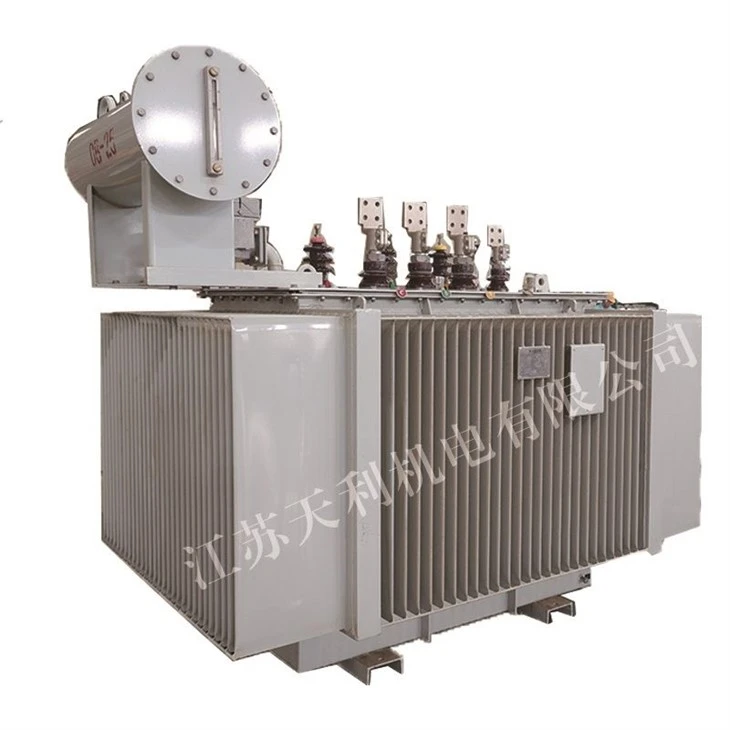

Another factor is the ambient temperature. If it's a hot day outside, the transformer is going to have a harder time dissipating heat, which can cause the temperature rise to increase. Similarly, if the transformer is located in a poorly ventilated area, the heat won't be able to escape as easily, leading to a higher temperature rise.
The design of the transformer also plays a role. Transformers with better insulation and cooling systems are generally able to handle higher temperature rises. For instance, some transformers are equipped with oil pumps and radiators to help dissipate heat more effectively.
Now, let's talk about why temperature rise is so important. Well, as I mentioned earlier, excessive temperature rise can cause damage to the transformer's insulation. Over time, this can lead to short circuits and other electrical problems. It can also reduce the lifespan of the transformer, which means you'll have to replace it sooner than you'd like.
So, how do we measure the temperature rise of an oil-immersed transformer? There are a few different methods, but one of the most common is to use temperature sensors. These sensors are placed on the windings and in the oil to monitor the temperature. The readings from these sensors can then be used to calculate the temperature rise.
At our company, we take temperature rise very seriously. We make sure that all of our transformers are designed and tested to meet strict temperature rise standards. This ensures that our customers get a reliable and long-lasting product.
We offer a wide range of oil-immersed transformers, including the 10kV Series Oil-immersed Distribution Transformer, the 220kV Oil-immersed Transformer, and the Single-phase Pole-mounted Transformer. Each of these transformers is designed to provide efficient and reliable power distribution.
If you're in the market for an oil-immersed transformer, we'd love to hear from you. Our team of experts can help you choose the right transformer for your needs and answer any questions you may have. Whether you're a small business or a large utility company, we have the products and expertise to meet your requirements.
In conclusion, understanding the temperature rise of an oil-immersed transformer is crucial for ensuring its safe and efficient operation. By considering factors like load, ambient temperature, and design, you can help prevent overheating and extend the lifespan of your transformer. And if you're looking for a high-quality oil-immersed transformer, don't hesitate to reach out to us. We're here to help you find the perfect solution for your power distribution needs.
References:
- IEEE Standard C57.12.00-2010, Standard General Requirements for Liquid-Immersed Distribution, Power, and Regulating Transformers
- IEC 60076-1:2011, Power transformers - Part 1: General