

Can an air - water cooled transformer be used in a renewable energy power generation system?
In recent years, the global push towards renewable energy sources has been accelerating at an unprecedented pace. As we strive to reduce our reliance on fossil fuels and mitigate the impacts of climate change, renewable energy power generation systems such as solar, wind, and hydroelectric plants have emerged as viable and sustainable alternatives. One crucial component in these systems is the transformer, which plays a vital role in voltage regulation and power transmission. Among the various types of transformers available, air - water cooled transformers have gained significant attention. In this blog, as a supplier of air - water cooled transformers, I will explore whether these transformers can be effectively used in renewable energy power generation systems.
Understanding Air - Water Cooled Transformers
Air - water cooled transformers combine the advantages of both air and water cooling methods. Air cooling is a simple and efficient way to dissipate heat, especially for smaller and medium - sized transformers. It uses natural or forced air circulation to remove heat from the transformer core and windings. However, in high - power applications or in environments where heat dissipation requirements are extremely high, air cooling alone may not be sufficient.
This is where water cooling comes in. Water has a much higher heat capacity than air, which means it can absorb and carry away a larger amount of heat. In an air - water cooled transformer, water is used as the primary coolant to transfer heat from the hot components of the transformer to an external cooling system. The cooled water is then circulated back to the transformer, creating a continuous cooling loop. Meanwhile, air is often used as a secondary coolant or for additional heat dissipation in some cases, ensuring overall efficient cooling performance.
Compatibility with Renewable Energy Systems
Solar Power Generation
Solar power plants, whether they are large - scale utility - scale installations or small - scale rooftop systems, require transformers to step up the low - voltage DC power generated by solar panels to a higher - voltage AC power suitable for grid connection. Air - water cooled transformers are well - suited for solar power applications for several reasons.
Firstly, solar power plants are often located in sunny and arid regions where ambient temperatures can be quite high. The high heat dissipation capacity of air - water cooled transformers allows them to operate effectively in such harsh environments, maintaining stable performance and preventing overheating. Secondly, the modular nature of air - water cooling systems makes them highly adaptable to different sizes of solar power plants. Whether it is a small distributed generation project or a large - scale solar farm, the cooling capacity can be easily adjusted to meet the specific requirements.
Wind Power Generation
Wind turbines generate electricity at variable frequencies and voltages, and transformers are needed to convert the generated power to a stable, grid - compatible form. In onshore wind farms, air - water cooled transformers can be a great choice. The continuous operation of wind turbines generates a significant amount of heat in the transformers. The efficient cooling mechanism of air - water cooled transformers helps to keep the temperature within the optimal range, thus extending the lifespan of the transformers and reducing maintenance costs.

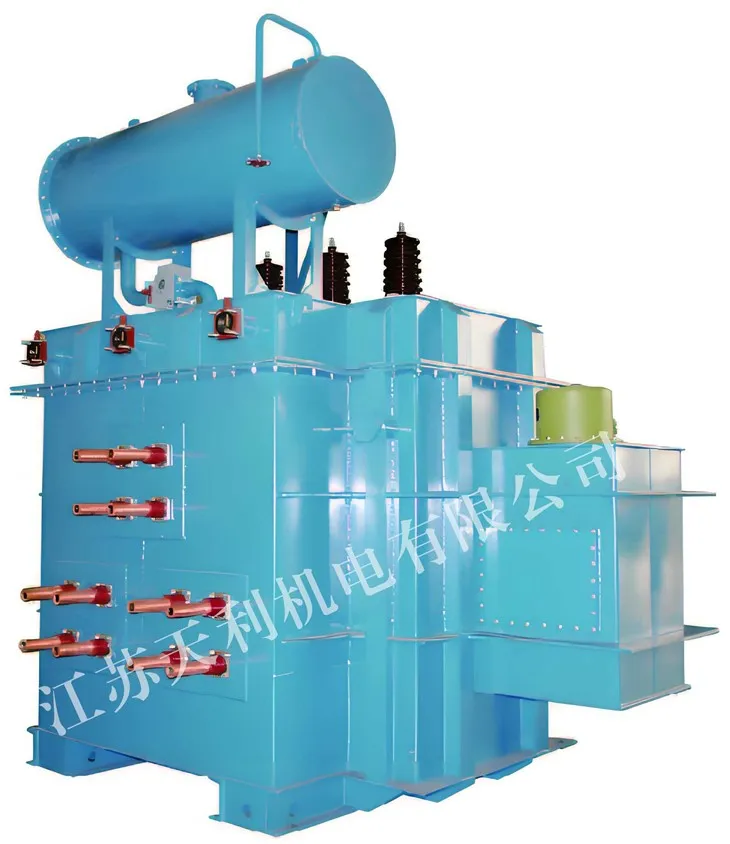
For offshore wind farms, the situation is more challenging due to the harsh maritime environment, including high humidity, salt spray, and strong winds. However, air - water cooled transformers with proper corrosion - resistant coatings and sealed designs can still be used. The water cooling part can be designed in a way that uses seawater directly or after pre - treatment, which can be an effective and resource - efficient cooling solution.
Hydroelectric Power Generation
Hydroelectric power plants, whether small - scale run - of - river plants or large - scale dams, also rely on transformers to step up the generated voltage for long - distance transmission. Air - water cooled transformers can be integrated into hydroelectric systems with relative ease. The abundant water resources available at hydroelectric plants can be used as a coolant source for the water cooling part of the transformer, reducing the need for additional water supply infrastructure in many cases. Additionally, the efficient cooling ensures that the transformers can handle the high - power output of hydroelectric generators without performance degradation.
Advantages of Using Air - Water Cooled Transformers in Renewable Energy Systems
High Efficiency
One of the main advantages of air - water cooled transformers is their high energy efficiency. By effectively dissipating heat, these transformers reduce the energy losses associated with overheating. In renewable energy systems where every bit of energy conversion efficiency matters, the ability of air - water cooled transformers to minimize losses means more power can be sent to the grid, increasing the overall efficiency of the power generation system.
Compact Design
Compared to some other types of cooling systems, air - water cooled transformers often have a more compact design. This is particularly beneficial in renewable energy projects where space may be limited, such as rooftop solar installations or small - scale wind turbines. The compact size also makes installation and transportation easier, reducing costs and logistical challenges.
Low Maintenance Requirements
The use of air - water cooling can significantly reduce the maintenance requirements of transformers. The closed - loop cooling system reduces the ingress of dust, dirt, and other contaminants, which can cause damage to the transformer components over time. Additionally, the continuous and efficient cooling helps to prevent thermal stress on the windings and core, reducing the likelihood of mechanical failures and extending the service life of the transformer.
Special Considerations and Related Products
When considering air - water cooled transformers for renewable energy systems, it is also important to be aware of other related types of transformers. For example, Phase - shifting Transformer can be used in power systems to control the flow of real power between different parts of the grid. In renewable energy systems, especially in large - scale interconnected grids with multiple power sources, phase - shifting transformers can help to balance the power flow and improve grid stability.
Isolation Transformer is another important type. They provide electrical isolation between the input and output circuits, which can be crucial in renewable energy systems to protect sensitive equipment from electrical interference and to ensure the safety of personnel and equipment.
Electric Furnace Transformer, although not directly related to the core power generation process in most renewable energy systems, may be used in some cases where there are associated industrial processes or energy storage applications that involve electric furnaces.
Conclusion and Invitation to Contact
In conclusion, air - water cooled transformers are highly suitable for use in renewable energy power generation systems. Their high efficiency, compact design, and low maintenance requirements make them an attractive option for solar, wind, and hydroelectric power plants. As a leading supplier of air - water cooled transformers, we have the expertise and experience to provide customized solutions that meet the specific needs of your renewable energy project.
If you are interested in incorporating air - water cooled transformers into your renewable energy system or would like to learn more about our products, we encourage you to contact us for a detailed discussion and potential procurement. Our team of experts is ready to assist you in making the right choice for your project.
References
- "Transformer Handbook: Third Edition" by István Gyugyi, B. R. Pelly
- "Renewable Energy Sources and Their Applications" by J. Twidell, T. Weir