

In the dynamic landscape of electrical engineering, medium frequency transformers (MFTs) have emerged as crucial components, especially in applications such as induction heating, high-frequency power supplies, and renewable energy systems. However, one of the significant challenges faced in utilizing MFTs is adapting them to frequency variations. As a leading supplier of medium frequency transformers, we understand the intricacies involved in this process and are committed to providing effective solutions.
Understanding Medium Frequency Transformers
Before delving into the adaptation strategies, it's essential to have a clear understanding of medium frequency transformers. MFTs operate at frequencies typically ranging from a few hundred hertz to several kilohertz, which is higher than the standard power frequency of 50 or 60 Hz. This higher operating frequency allows for smaller core sizes and reduced losses, making MFTs more compact and efficient compared to their low-frequency counterparts.
The basic principle of a transformer remains the same regardless of the operating frequency: electromagnetic induction. When an alternating current flows through the primary winding, it creates a changing magnetic field, which in turn induces a voltage in the secondary winding. However, at medium frequencies, several factors come into play that can affect the performance of the transformer.
Challenges Posed by Frequency Variations
Frequency variations can have a profound impact on the performance of medium frequency transformers. One of the primary issues is the change in the core losses. Core losses in a transformer consist of hysteresis losses and eddy current losses. Hysteresis losses are proportional to the frequency, while eddy current losses are proportional to the square of the frequency. As the frequency increases, both types of losses increase, leading to higher temperature rises and reduced efficiency.
Another challenge is the change in the impedance of the transformer windings. The impedance of a winding is a complex quantity that includes both resistance and reactance. At higher frequencies, the reactance of the winding increases, which can affect the voltage regulation and the overall performance of the transformer. Additionally, frequency variations can also lead to resonance issues, which can cause excessive voltage and current spikes, potentially damaging the transformer.
Strategies for Adapting MFTs to Frequency Variations
Core Material Selection
The choice of core material plays a crucial role in adapting medium frequency transformers to frequency variations. Different core materials have different magnetic properties, such as permeability, coercivity, and saturation flux density, which can affect the core losses and the performance of the transformer at different frequencies.
For applications with relatively low to medium frequency variations, ferrite cores are often a popular choice. Ferrite cores have low hysteresis and eddy current losses at high frequencies, making them suitable for high-frequency operation. They also have a high resistivity, which helps to reduce eddy current losses. However, ferrite cores have a relatively low saturation flux density, which limits their use in applications requiring high power handling capabilities.
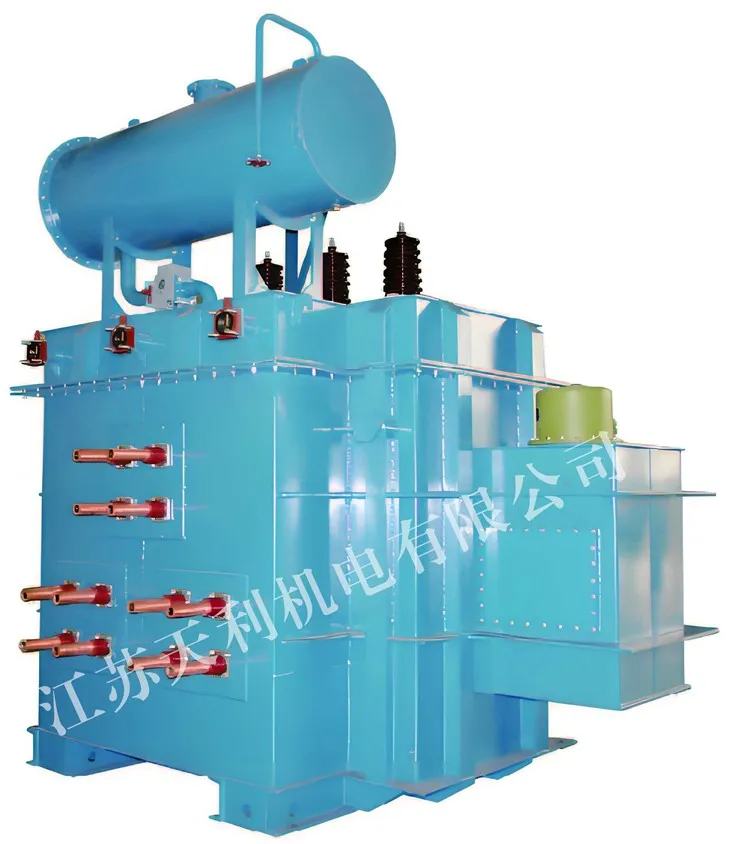

For applications with higher power requirements and wider frequency variations, laminated cores made of silicon steel or other magnetic alloys may be more appropriate. These cores have a higher saturation flux density, allowing them to handle higher currents and power levels. However, they have higher core losses at high frequencies compared to ferrite cores. To mitigate this issue, the laminations can be made thinner to reduce eddy current losses.
Winding Design Optimization
The design of the transformer windings also plays a significant role in adapting to frequency variations. The number of turns, the wire gauge, and the winding configuration can all affect the impedance and the performance of the transformer at different frequencies.
To reduce the impedance of the windings at high frequencies, the number of turns can be optimized. A lower number of turns can reduce the inductance and the reactance of the winding, resulting in a lower impedance. However, reducing the number of turns also reduces the voltage ratio of the transformer, so a balance needs to be struck between the impedance and the voltage ratio.
The wire gauge used in the windings also needs to be carefully selected. At high frequencies, the skin effect becomes more pronounced, which means that the current tends to flow near the surface of the conductor. To reduce the resistance due to the skin effect, larger wire gauges or stranded wires can be used. Stranded wires have a larger surface area compared to solid wires, which helps to reduce the resistance at high frequencies.
The winding configuration can also be optimized to reduce the leakage inductance and the capacitance between the windings. Leakage inductance can cause voltage drops and reduce the efficiency of the transformer, while capacitance between the windings can lead to resonance issues. By using a proper winding configuration, such as interleaved windings or multiple-layer windings, the leakage inductance and the capacitance can be minimized.
Control and Monitoring Systems
In addition to the design and material selection, the use of control and monitoring systems can also help to adapt medium frequency transformers to frequency variations. These systems can continuously monitor the operating frequency and adjust the parameters of the transformer accordingly.
For example, a variable frequency drive (VFD) can be used to control the frequency of the input power to the transformer. By adjusting the frequency of the input power, the operating frequency of the transformer can be optimized to match the requirements of the load. This can help to reduce the core losses and improve the efficiency of the transformer.
Monitoring systems can also be used to detect any abnormal operating conditions, such as excessive temperature rises or voltage spikes. These systems can provide early warnings and take appropriate actions to prevent damage to the transformer. For example, if the temperature of the transformer exceeds a certain threshold, the monitoring system can trigger an alarm or shut down the transformer to prevent overheating.
Applications and Considerations
Medium frequency transformers are used in a wide range of applications, each with its own unique requirements and challenges. Some of the common applications include induction heating, high-frequency power supplies, and renewable energy systems.
In induction heating applications, the frequency of the power supply needs to be adjusted to match the characteristics of the workpiece being heated. Different materials and shapes require different frequencies for optimal heating efficiency. By adapting the medium frequency transformer to the frequency variations required for different workpieces, the heating process can be optimized, resulting in higher energy efficiency and better quality of the heated products.
In high-frequency power supplies, such as those used in telecommunications and data centers, the demand for power is constantly changing. The frequency of the power supply may need to be adjusted to meet the varying load requirements. By using a medium frequency transformer that can adapt to frequency variations, the power supply can operate more efficiently and reliably, reducing energy consumption and downtime.
In renewable energy systems, such as wind turbines and solar power plants, the frequency of the generated power can vary depending on the environmental conditions. For example, the wind speed can affect the rotational speed of the wind turbine, which in turn affects the frequency of the generated power. By adapting the medium frequency transformer to these frequency variations, the power generated by the renewable energy sources can be more effectively integrated into the grid.
When considering the adaptation of medium frequency transformers to frequency variations, it's important to take into account the specific requirements of the application. Factors such as the range of frequency variations, the power level, the operating environment, and the cost need to be carefully evaluated. By working closely with a professional medium frequency transformer supplier, the most suitable solution can be selected to meet the specific needs of the application.
Conclusion
Adapting medium frequency transformers to frequency variations is a complex but essential task in modern electrical engineering. By understanding the challenges posed by frequency variations and implementing the appropriate strategies, such as core material selection, winding design optimization, and the use of control and monitoring systems, the performance and reliability of medium frequency transformers can be significantly improved.
As a leading supplier of medium frequency transformers, we have extensive experience in designing and manufacturing transformers that can adapt to a wide range of frequency variations. Our products are used in various applications, including Waterproof Transformer, Electric Furnace Transformer, and Marine Low Voltage Transformer. We are committed to providing our customers with high-quality products and excellent technical support.
If you are looking for a reliable medium frequency transformer supplier or have any questions about adapting transformers to frequency variations, please feel free to contact us. Our team of experts will be happy to assist you in finding the best solution for your specific needs.
References
- Grover, F. W. (1946). Inductance Calculations: Working Formulas and Tables. Dover Publications.
- McLyman, C. W. (2004). Transformer and Inductor Design Handbook. Marcel Dekker.
- Sudhoff, S. D. (2008). Electric Machines and Drives: A First Course. John Wiley & Sons.