

In the realm of electrical engineering, transformers play a pivotal role in ensuring the efficient and reliable distribution of electrical power. Among the various types of transformers available, air - water cooled transformers have emerged as a popular choice for many applications due to their unique combination of cooling methods. One of the key aspects that users often inquire about is the shock resistance characteristics of these transformers. As a trusted supplier of Air - water Cooled Transformer, I am well - versed in the technical details and will delve into this topic in depth.
Understanding the Basics of Air - Water Cooled Transformers
Before discussing the shock resistance, it is essential to understand how air - water cooled transformers operate. These transformers utilize both air and water as cooling media. The air cooling system typically consists of fans that blow air over the transformer's coils and core to dissipate heat. Meanwhile, the water cooling system circulates water through cooling tubes or radiators, further enhancing the heat transfer process. This dual - cooling mechanism allows air - water cooled transformers to handle high power loads while maintaining relatively low operating temperatures.
Structural Design for Shock Resistance
The shock resistance of an air - water cooled transformer begins with its structural design. The core of the transformer, usually made of high - quality silicon steel laminations, is carefully assembled and clamped together. This tight clamping ensures that the laminations remain in place even when subjected to mechanical shocks. The use of high - strength materials for the core also contributes to its ability to withstand vibrations and impacts.
The winding of the transformer is another critical component. The coils are wound tightly and securely around the core, and they are often impregnated with insulating materials. This not only provides electrical insulation but also helps to hold the coils in place and prevent them from moving during shocks. Additionally, the winding is designed to have a certain degree of flexibility, which allows it to absorb some of the shock energy without suffering damage.
The enclosure of the air - water cooled transformer is also designed with shock resistance in mind. It is typically made of robust materials such as steel or aluminum, which can protect the internal components from external impacts. The enclosure is also engineered to have a proper mounting system that can isolate the transformer from vibrations transmitted through the installation surface.
Cooling System and Shock Resistance
The cooling system of an air - water cooled transformer can also affect its shock resistance. The fans used in the air cooling system are usually mounted on vibration - isolating mounts. These mounts reduce the transmission of vibrations from the fans to the rest of the transformer, preventing damage to the internal components.
In the water cooling system, the pipes and fittings are designed to be flexible and resistant to shocks. They are made of materials that can withstand pressure changes and mechanical impacts. For example, the use of high - quality rubber or plastic hoses can absorb some of the shock energy and prevent leaks or damage to the cooling system.
Electrical Characteristics and Shock Resistance
From an electrical perspective, air - water cooled transformers are designed to be stable under shock conditions. The insulation materials used in the transformer are carefully selected to maintain their electrical properties even when subjected to mechanical shocks. This ensures that there is no short - circuiting or breakdown of the insulation, which could lead to transformer failure.
The electrical connections within the transformer are also made to be secure and reliable. The terminals are tightly bolted or soldered, and they are protected by insulating covers. This prevents the connections from coming loose during shocks and maintains the electrical integrity of the transformer.
Testing for Shock Resistance
To ensure the shock resistance of our air - water cooled transformers, we conduct a series of rigorous tests. These tests simulate real - world shock conditions that the transformers may encounter during transportation, installation, and operation.
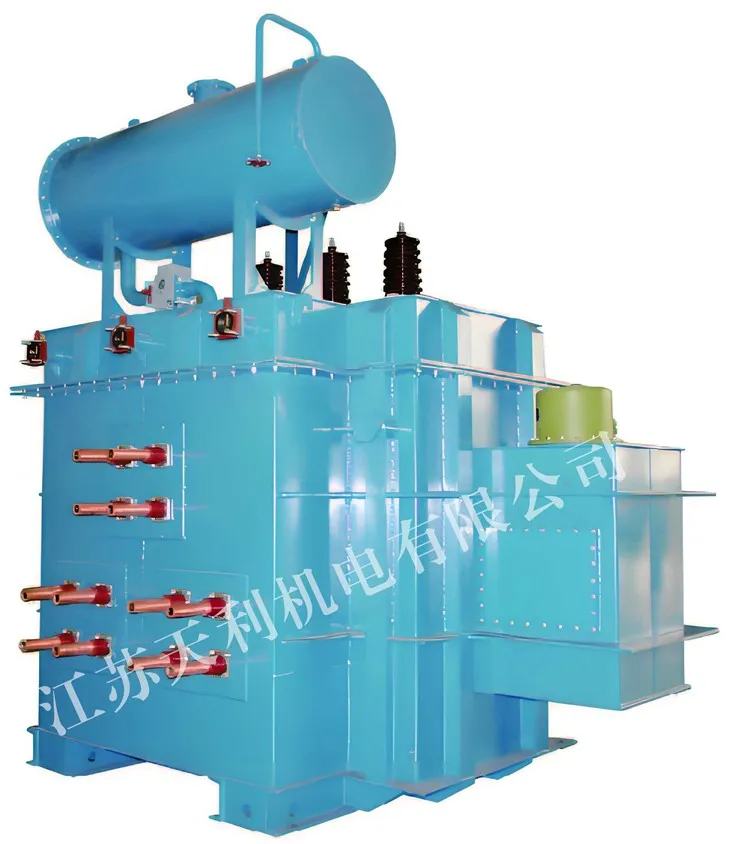

One of the common tests is the vibration test. In this test, the transformer is placed on a vibration table, and it is subjected to a range of frequencies and amplitudes of vibrations. The transformer is monitored during the test to ensure that there are no signs of mechanical damage or electrical malfunction.
Another important test is the impact test. In this test, the transformer is subjected to controlled impacts using a hammer or a drop - test machine. The impact energy is carefully calculated to simulate the maximum shocks that the transformer may experience in its lifetime. After the impact test, the transformer is thoroughly inspected to check for any damage to the core, winding, or other components.
Comparison with Other Types of Transformers
When comparing the shock resistance of air - water cooled transformers with other types of transformers, such as Isolation Transformer and Electric Furnace Transformer, air - water cooled transformers generally have an advantage. The combination of air and water cooling allows for a more compact and robust design, which can better withstand shocks.
Isolation transformers, on the other hand, are mainly designed for electrical isolation purposes, and their shock resistance may not be as high as that of air - water cooled transformers. Electric furnace transformers are designed for high - power applications in harsh industrial environments, but they may be more vulnerable to shocks due to their large size and high - power requirements.
Applications and the Need for Shock Resistance
Air - water cooled transformers are used in a wide range of applications, including industrial plants, power substations, and renewable energy systems. In these applications, the transformers may be subjected to various types of shocks.
In industrial plants, for example, the transformers may be exposed to vibrations from heavy machinery and equipment. In power substations, they may experience shocks during the switching operations or due to external factors such as earthquakes. In renewable energy systems, such as wind farms and solar power plants, the transformers may be subjected to mechanical shocks during transportation and installation.
Therefore, the shock resistance of air - water cooled transformers is crucial for ensuring their reliable operation in these applications. A transformer with good shock resistance can reduce the risk of downtime and maintenance costs, improving the overall efficiency and profitability of the electrical system.
Conclusion
In conclusion, the shock resistance of an air - water cooled transformer is a result of its well - designed structure, reliable cooling system, and stable electrical characteristics. Through careful design, the use of high - quality materials, and rigorous testing, our air - water cooled transformers can withstand a wide range of shocks and vibrations, ensuring their long - term reliability and performance.
If you are in need of a high - quality air - water cooled transformer with excellent shock resistance, we invite you to contact us for a detailed discussion. Our team of experts is ready to assist you in selecting the right transformer for your specific application and to provide you with the best possible solutions.
References
- "Transformer Engineering: Design, Technology, and Diagnostics" by T. A. Lipo
- "Electrical Power Systems Quality" by Roger C. Dugan, Mark F. McGranaghan, Surya Santoso, and H. Wayne Beaty