

Electric furnace transformers play a crucial role in various industrial applications, especially in environments where high - temperature and high - power operations are required. However, when these transformers are used in humid environments, there are several special requirements that need to be met. As a supplier of Electric Furnace Transformers, I've seen firsthand the challenges and solutions related to this issue.
Moisture Resistance and Insulation
One of the most significant concerns in a humid environment is moisture ingress. Moisture can severely damage the insulation of an electric furnace transformer. The insulation materials, which are typically used to prevent electrical leakage and ensure the safe and efficient operation of the transformer, can absorb moisture. Once the insulation gets wet, its dielectric strength decreases, leading to an increased risk of electrical breakdowns.
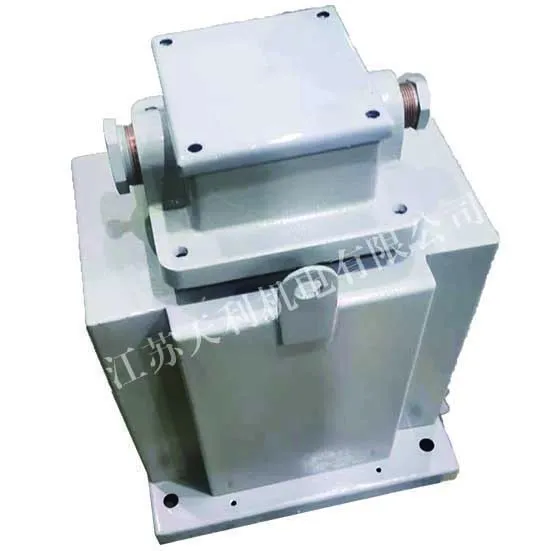
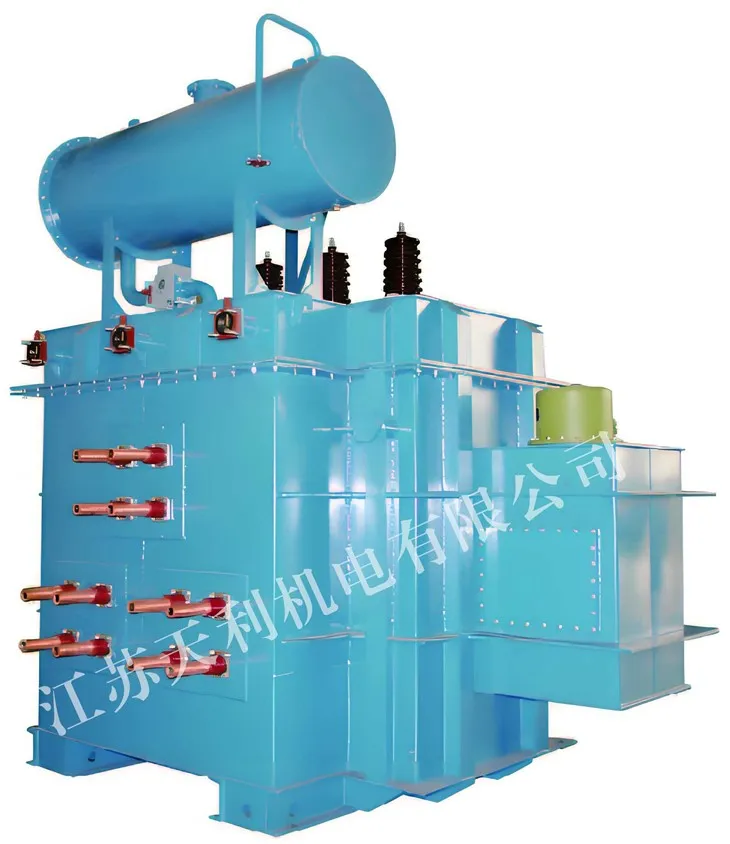
For example, if the insulation resistance drops below a certain level, it may cause partial discharges within the transformer. These partial discharges can gradually erode the insulation over time, eventually leading to a complete failure of the transformer. To address this issue, our Electric Furnace Transformers are designed with high - quality insulation materials that have excellent moisture - resistance properties. We also use special coatings and encapsulation techniques to further protect the insulation from moisture.
Corrosion Protection
Humid environments are often corrosive. The presence of water vapor in the air can react with various metals used in the construction of the transformer, such as copper, aluminum, and steel, leading to corrosion. Corrosion can weaken the structural integrity of the transformer and also degrade its electrical performance.
The windings of the transformer, which are usually made of copper or aluminum, are particularly vulnerable to corrosion. Corroded windings can increase the resistance of the electrical circuit, resulting in higher energy losses and reduced efficiency. To combat corrosion, we use corrosion - resistant materials in the construction of our transformers. For instance, we coat the metal parts with anti - corrosion paints and use stainless steel for some components where possible.
Cooling and Ventilation
In a humid environment, proper cooling and ventilation are even more critical. The presence of moisture can affect the cooling efficiency of the transformer. If the transformer overheats due to poor cooling, it can cause thermal stress on the insulation and other components, leading to premature failure.
Our Electric Furnace Transformers are designed with efficient cooling systems. We use forced - air cooling or oil - cooling methods, depending on the specific requirements of the application. In addition, we ensure that the ventilation channels are designed to prevent the accumulation of moisture. For example, we install moisture barriers and filters in the ventilation systems to keep the moisture out.
Waterproof Design
A waterproof design is essential for electric furnace transformers in humid environments. A Waterproof Transformer can provide an extra layer of protection against moisture. Our transformers are engineered to have a high level of waterproofing. The enclosures are sealed to prevent water from entering the internal components.
We also use gaskets and seals made of high - quality rubber materials that can withstand the effects of humidity and temperature changes. These gaskets ensure a tight seal, preventing any water or moisture from seeping into the transformer.
Monitoring and Maintenance
In a humid environment, regular monitoring and maintenance are crucial to ensure the long - term reliability of the electric furnace transformer. We recommend installing monitoring systems that can detect changes in temperature, humidity, and insulation resistance. By continuously monitoring these parameters, we can detect potential problems early and take preventive measures.
For maintenance, we suggest regular inspections of the transformer's exterior and interior components. This includes checking for signs of corrosion, moisture ingress, and damage to the insulation. If any issues are detected, they should be addressed immediately to prevent further damage.
Medium - Frequency Considerations
Some electric furnace transformers operate at medium frequencies. Medium Frequency Transformer have their own set of requirements in humid environments. At medium frequencies, the skin effect and proximity effect become more pronounced, which can lead to increased losses and heating.
In a humid environment, these effects can be exacerbated due to the reduced insulation performance caused by moisture. Therefore, our medium - frequency electric furnace transformers are specifically designed to minimize these effects. We use special winding configurations and materials to reduce the losses and improve the efficiency, even in humid conditions.
Conclusion and Call to Action
In summary, electric furnace transformers in humid environments require special considerations in terms of moisture resistance, corrosion protection, cooling, waterproofing, monitoring, and maintenance. As a leading supplier of Electric Furnace Transformer, we have the expertise and experience to provide high - quality transformers that meet these special requirements.
If you're in the market for an electric furnace transformer for a humid environment, don't hesitate to reach out to us. We can provide you with detailed product information, technical support, and customized solutions to meet your specific needs. Let's work together to ensure the reliable and efficient operation of your industrial processes.
References
- Electrical Power Transformer Engineering: Design and Application, Third Edition by George E. McPherson and Robert D. Laramore.
- Handbook of Transformer Design and Applications by Colonel William T. McLyman.