

Hey there! As a supplier of isolation transformers, I often get asked about the cost of these nifty devices. So, let's dive right in and break down what goes into the cost of an isolation transformer.
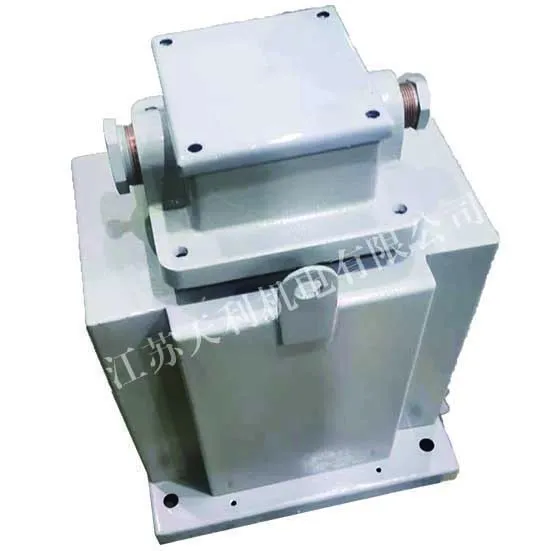

First off, what exactly is an isolation transformer? Well, it's a type of transformer that provides electrical isolation between its primary and secondary windings. This means it can prevent electrical current from flowing directly between the two circuits, which is super useful for safety and noise reduction.
Now, when it comes to the cost, there are several factors that come into play. The first and most obvious one is the power rating. The higher the power rating of the isolation transformer, the more it's going to cost. This is because a higher power rating requires more materials, such as copper wire and iron core, to handle the increased electrical load. For example, a small isolation transformer with a power rating of 100 VA might cost around $50 - $100, while a large industrial isolation transformer with a power rating of 1000 kVA could cost upwards of $10,000 or more.
Another factor that affects the cost is the type of isolation transformer. There are different types available, such as single-phase and three-phase transformers. Three-phase transformers are generally more expensive than single-phase ones because they are more complex and require more materials to manufacture. Additionally, the construction of the transformer also plays a role. Some isolation transformers are designed for specific applications, like Electric Furnace Transformer, Waterproof Transformer, or Marine Low Voltage Transformer. These specialized transformers often come with additional features and protections, which can drive up the cost.
The quality of the materials used in the transformer also impacts the price. High-quality materials, such as high-grade copper wire and laminated iron cores, are more expensive but offer better performance and durability. Cheaper materials may result in a lower initial cost, but they may not last as long or provide the same level of performance.
Manufacturing processes and brand reputation also play a part in the cost. Well-established brands with a good reputation for quality and reliability tend to charge more for their products. This is because they invest in research and development, use high-quality manufacturing processes, and provide excellent customer support. On the other hand, lesser-known brands may offer lower prices, but you may have to sacrifice some quality and reliability.
Installation and maintenance costs are also important to consider. Installing an isolation transformer can be a complex process, especially for larger industrial transformers. You may need to hire a professional electrician to ensure proper installation, which can add to the overall cost. Additionally, regular maintenance is required to keep the transformer in good working condition. This includes tasks such as checking the insulation, monitoring the temperature, and performing routine tests. The cost of maintenance can vary depending on the size and complexity of the transformer.
Let's take a look at some real-world examples to give you a better idea of the cost range. For a small, single-phase isolation transformer used in a home or small office, you can expect to pay anywhere from $50 to $500. These transformers are typically used for applications such as powering sensitive electronic equipment or providing electrical isolation for safety reasons.
For medium-sized industrial isolation transformers with power ratings between 1 kVA and 100 kVA, the cost can range from $1,000 to $10,000. These transformers are commonly used in factories, commercial buildings, and other industrial settings.
Large industrial isolation transformers with power ratings above 100 kVA can cost tens of thousands of dollars or more. These transformers are used in heavy industries, such as power generation, mining, and manufacturing.
So, how can you get the best value for your money when purchasing an isolation transformer? First, it's important to determine your specific requirements. Consider factors such as the power rating, type of transformer, and any special features or applications you need. This will help you narrow down your options and choose the right transformer for your needs.
Next, do your research and compare prices from different suppliers. Look for suppliers that offer high-quality products at competitive prices. Read customer reviews and testimonials to get an idea of the supplier's reputation and customer service.
Don't forget to consider the long-term costs, such as installation and maintenance. A slightly more expensive transformer that is easier to install and maintain may end up being a better value in the long run.
If you're still unsure about which isolation transformer is right for you or have any questions about the cost, feel free to reach out to us. We're here to help you make an informed decision and find the best solution for your needs. Whether you're looking for a small transformer for your home or a large industrial transformer for your business, we have a wide range of options to choose from.
In conclusion, the cost of an isolation transformer can vary widely depending on several factors, including the power rating, type, materials, manufacturing processes, and brand. By understanding these factors and doing your research, you can find a high-quality isolation transformer that meets your needs and fits your budget. So, if you're in the market for an isolation transformer, don't hesitate to contact us. We'll be happy to assist you with your purchase and provide you with all the information you need.
References:
- Electrical Engineering textbooks
- Industry reports on transformer manufacturing and pricing