

Hey there! As a supplier of isolation transformers, I often get asked about the isolation class of these nifty devices. So, let's dive right in and break it down in a way that's easy to understand.
First off, what exactly is an isolation transformer? Well, it's a type of transformer that provides electrical isolation between the input and output circuits. This means it can prevent the flow of direct current (DC) while allowing alternating current (AC) to pass through. It's like a gatekeeper, keeping unwanted electrical noise and interference at bay.
Now, let's talk about isolation classes. The isolation class of an isolation transformer refers to the level of electrical isolation it provides. There are several different isolation classes, each with its own set of characteristics and applications.
Class I Isolation Transformers
Class I isolation transformers are the most common type. They have a basic level of insulation between the primary and secondary windings. This insulation helps to protect against electrical shock and reduces the risk of short circuits. Class I transformers are typically used in general-purpose applications where a moderate level of isolation is required.
Class II Isolation Transformers
Class II isolation transformers offer a higher level of insulation than Class I transformers. They have an additional layer of insulation, often in the form of a double insulation or reinforced insulation system. This extra insulation provides an extra level of protection against electrical shock, making Class II transformers suitable for use in more critical applications, such as medical equipment and sensitive electronic devices.
Class III Isolation Transformers
Class III isolation transformers are designed for use in low-voltage applications. They have a very high level of insulation and are typically used in applications where the risk of electrical shock is extremely low. Class III transformers are commonly used in battery-powered devices and other low-voltage systems.
Choosing the Right Isolation Class
So, how do you choose the right isolation class for your application? Well, it depends on a few factors, including the type of equipment you're using, the level of electrical isolation required, and the safety standards that apply to your industry.
If you're using a general-purpose device, such as a power supply or a lighting fixture, a Class I isolation transformer may be sufficient. However, if you're using a more critical device, such as a medical device or a sensitive electronic component, you may need to consider a Class II or Class III isolation transformer.
It's also important to consider the safety standards that apply to your industry. For example, the medical industry has strict safety standards for electrical equipment, and you may need to use a Class II isolation transformer to comply with these standards.
Our Range of Isolation Transformers
As a supplier of isolation transformers, we offer a wide range of products to meet the needs of different applications. Our isolation transformers are available in various isolation classes, including Class I, Class II, and Class III.

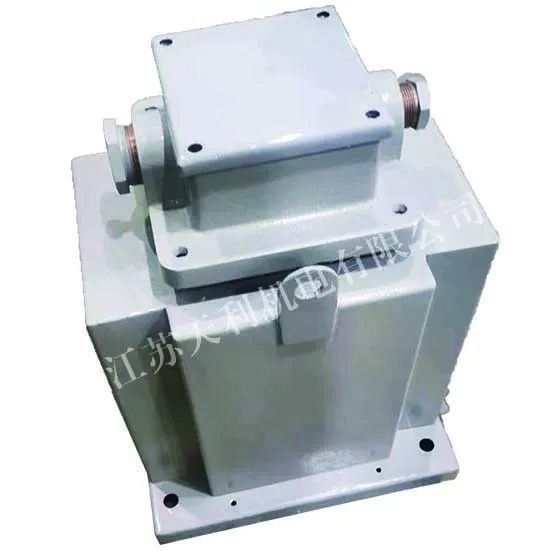
We also offer a range of Medium Frequency Transformer, Marine Low Voltage Transformer, and Waterproof Transformer to meet the specific needs of different industries.
Our isolation transformers are designed and manufactured to the highest quality standards, ensuring reliable performance and long service life. We also offer a range of customization options, allowing you to tailor our products to your specific requirements.
Contact Us for More Information
If you're interested in learning more about our isolation transformers or have any questions about isolation classes, please don't hesitate to contact us. Our team of experts is always on hand to provide you with the information and support you need.
Whether you're looking for a standard isolation transformer or a custom-designed solution, we can help you find the right product for your application. So, why wait? Get in touch with us today and let's start talking about your isolation transformer needs.
References
- Electrical Safety Standards: Various industry standards and regulations govern the use of isolation transformers, including the International Electrotechnical Commission (IEC) standards and the National Electrical Code (NEC).
- Transformer Design and Application: Textbooks and technical resources on transformer design and application provide in-depth information on the principles and operation of isolation transformers.
- Manufacturer's Documentation: The documentation provided by isolation transformer manufacturers, including datasheets and product manuals, can provide valuable information on the specific features and specifications of their products.