

Hey there! I'm a supplier of Marine Low Voltage Transformers. Over the years, I've dealt with clients from all around the world, and one question that keeps popping up is about the regulations for using these transformers in different countries. So, I thought I'd share some insights on this topic.
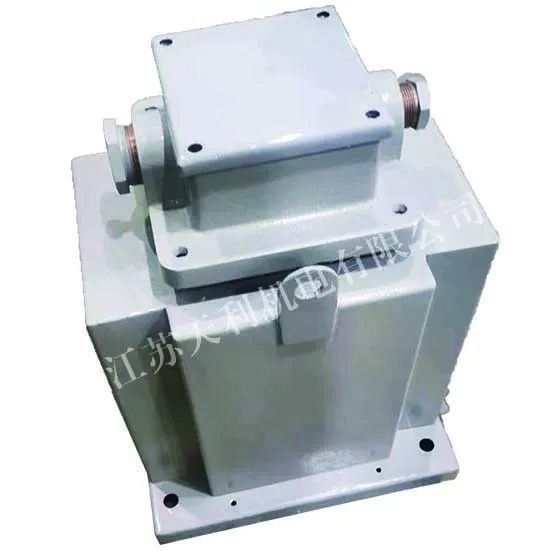
Let's start with the basics. A Marine Low Voltage Transformer is designed to operate in a marine environment, which means it has to withstand harsh conditions like high humidity, saltwater corrosion, and vibrations. These transformers are used in various marine applications, such as powering electrical equipment on ships, offshore platforms, and submarines.

United States
In the United States, the regulations for marine electrical equipment, including low voltage transformers, are mainly governed by the American Bureau of Shipping (ABS) and the U.S. Coast Guard (USCG). The ABS sets standards for the design, construction, and installation of marine equipment to ensure safety and reliability. Transformers used on vessels must meet the ABS requirements, which cover aspects like insulation, temperature rise, and short - circuit withstand capabilities.
The USCG also plays a crucial role. They enforce regulations related to the safety of vessels and their electrical systems. For marine low voltage transformers, they focus on proper grounding, protection against electrical hazards, and compliance with the National Electrical Code (NEC) as it applies to marine installations. This means that transformers need to be installed in a way that minimizes the risk of electrical fires and shocks to the crew.
European Union
In the European Union (EU), the regulations are more harmonized under the Marine Equipment Directive (MED). This directive aims to ensure the safety and environmental performance of marine equipment, including low voltage transformers. Transformers must be certified according to the relevant standards, such as the International Electrotechnical Commission (IEC) standards.
The IEC standards for marine transformers cover a wide range of technical aspects, from the electrical characteristics to the mechanical construction. For example, IEC 60076 series standards deal with power transformers, and specific adaptations are made for marine applications. These standards ensure that the transformers can operate safely in the marine environment, with requirements for protection against moisture, salt spray, and mechanical stress.
China
China has its own set of regulations for marine electrical equipment. The China Classification Society (CCS) is responsible for setting and enforcing standards for marine vessels and their equipment. For marine low voltage transformers, the CCS standards are based on international best practices but also take into account the specific needs of the Chinese shipping industry.
The CCS standards focus on the quality and reliability of transformers. They require strict testing procedures during the manufacturing process, including tests for insulation resistance, dielectric strength, and load performance. In addition, Chinese regulations also emphasize the use of environmentally friendly materials in the construction of transformers to reduce the impact on the marine environment.
Japan
In Japan, the Japanese Marine Standards Association (JMSA) plays a key role in regulating marine equipment. The regulations for marine low voltage transformers are in line with international standards but also have some unique features. Japanese regulations place a high emphasis on the durability of transformers in the harsh marine environment around Japan, which includes typhoon - prone areas.
Transformers need to be designed to withstand strong winds, heavy rain, and large waves. The JMSA standards also require regular maintenance and inspection of transformers to ensure their continued safe operation. This helps to prevent breakdowns and ensure the safety of the vessel and its crew.
Other Considerations
Apart from the country - specific regulations, there are also some general considerations for using marine low voltage transformers. For example, the type of transformer matters. Waterproof Transformers are often preferred in marine applications because they can better withstand the wet conditions. These transformers are designed with special enclosures and insulation materials to prevent water ingress.
Another type is the Phase - shifting Transformer. In some marine power systems, phase - shifting transformers are used to control the flow of power and improve the stability of the electrical grid on the vessel. However, the use of these transformers also needs to comply with the relevant regulations, especially in terms of their electrical performance and safety features.
When it comes to installation, it's important to follow the manufacturer's instructions and the local regulations. Improper installation can not only lead to non - compliance but also pose a safety risk. For example, transformers need to be installed in a well - ventilated area to prevent overheating, and the electrical connections need to be properly tightened to avoid loose connections that could cause arcing.
Conclusion
As you can see, the regulations for using marine low voltage transformers vary from country to country. But the common goal is to ensure the safety, reliability, and environmental performance of these transformers in the marine environment. Whether you're operating a ship in the United States, Europe, Asia, or anywhere else, it's crucial to comply with the local regulations to avoid any legal issues and ensure the smooth operation of your vessel's electrical system.
If you're in the market for high - quality marine low voltage transformers that comply with international and local regulations, feel free to reach out. We have a wide range of products to meet your specific needs, and our team of experts can help you navigate the complex world of regulations. Let's work together to find the best solution for your marine electrical requirements.
References
- American Bureau of Shipping (ABS) Standards
- U.S. Coast Guard Regulations
- Marine Equipment Directive (MED)
- International Electrotechnical Commission (IEC) Standards
- China Classification Society (CCS) Standards
- Japanese Marine Standards Association (JMSA) Standards