

Hey there! If you're into the world of transformers, especially waterproof ones, you might have heard about the power factor. As a supplier of Waterproof Transformers, I'm here to break it down for you in a way that's easy to understand.
So, what exactly is the power factor of a waterproof transformer? Well, to get it, we first need a basic grasp of electrical power. In an AC circuit, power can be split into two types: real power (P) and reactive power (Q). Real power is the actual power that does the work, like lighting up a bulb or running a motor. Reactive power, on the other hand, is the power that sloshes back and forth between the source and the load due to inductive or capacitive elements in the circuit.
The power factor (PF) is a measure that shows how effectively electrical power is being used. It's calculated as the ratio of real power to apparent power (S). Apparent power is the combination of real power and reactive power, and it's given by the formula S² = P² + Q². Mathematically, PF = P/S. The value of the power factor ranges from 0 to 1. A power factor of 1 means that all the electrical power supplied is being used effectively, with no reactive power. On the flip side, a power factor close to 0 indicates that a large amount of reactive power is present, and the system is operating inefficiently.
Now, why is the power factor so important for a waterproof transformer? There are quite a few reasons. First off, an efficient power factor means lower energy losses. When the power factor is low, the transformer has to handle more apparent power than necessary. This leads to increased current flow in the windings, which in turn causes more resistive losses (I²R losses). These losses not only waste energy but also generate heat, which can reduce the lifespan of the transformer and increase maintenance costs.

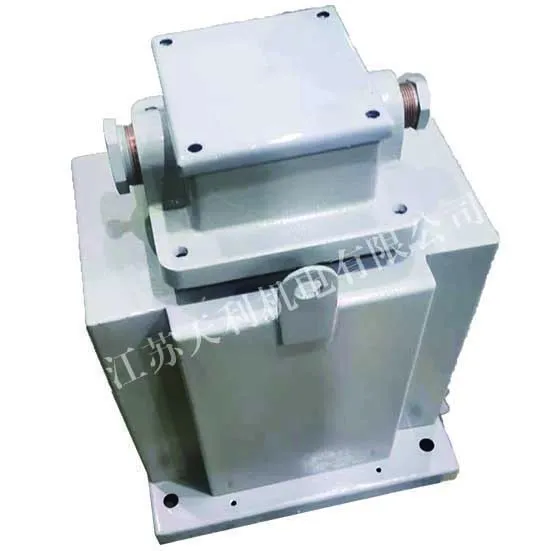
Secondly, a good power factor can help you save on electricity bills. Many utility companies charge customers based on the apparent power they consume, not just the real power. If your power factor is low, you'll end up paying more for the same amount of useful work. By improving the power factor, you can reduce your overall electricity costs.
Another reason is related to the capacity of the transformer. A transformer has a rated apparent power capacity. If the power factor is low, the transformer will reach its capacity limit with less real power being delivered. This means that you might need to install a larger transformer to meet your load requirements, which can be expensive.
So, how does a waterproof transformer achieve a high power factor? Well, it starts with the design. The transformer's core material and winding configuration play a crucial role. High-quality core materials with low hysteresis and eddy current losses can help reduce reactive power. Additionally, proper winding design can minimize leakage inductance, which also contributes to reactive power.
Some waterproof transformers also come with power factor correction (PFC) circuits. These circuits are designed to reduce the reactive power in the system by adding or subtracting capacitance or inductance as needed. By doing so, they can improve the power factor and make the transformer more efficient.
Now, let's talk about the applications of waterproof transformers and how the power factor affects them. Waterproof transformers are commonly used in outdoor and wet environments, such as in swimming pools, fountains, and industrial washdown areas. In these applications, a high power factor is essential for reliable and efficient operation.
For instance, in a swimming pool lighting system, a waterproof transformer with a high power factor ensures that the lights receive a stable and efficient supply of power. This not only saves energy but also extends the lifespan of the lights. Similarly, in industrial washdown areas, where electrical equipment is exposed to water and moisture, a transformer with a good power factor can prevent power fluctuations and equipment damage.
As a waterproof transformer supplier, we understand the importance of the power factor. That's why we focus on designing and manufacturing transformers that offer high power factor performance. Our transformers are built using the latest technology and high-quality materials to ensure maximum efficiency and reliability.
If you're in the market for a waterproof transformer, I'd also like to mention a couple of other types of transformers that we offer. Check out our Isolation Transformer, which provides electrical isolation between the input and output circuits, protecting your equipment from electrical interference and faults. And if you're in the mining industry, our Mining Transformer is specifically designed to meet the demanding requirements of underground mining operations.
Of course, if you're interested in our Waterproof Transformer, we'd love to talk to you. Whether you have questions about the power factor, installation, or any other aspect of our products, our team of experts is here to help. Feel free to reach out and start a conversation about how we can meet your specific needs.
In conclusion, the power factor is a crucial aspect of a waterproof transformer. It affects energy efficiency, cost savings, and the overall performance of the transformer. By choosing a transformer with a high power factor, you can ensure that your electrical system operates smoothly and efficiently. So, if you're looking for a reliable waterproof transformer, don't hesitate to contact us. We're here to provide you with the best solutions and help you make the most of your investment.
References:
- Electrical Power Systems Fundamentals, Third Edition by Turan Gonen
- Transformer Engineering: Design, Technology, and Diagnostics by George Karady, James McCalley, and Kaushik Rajashekara