

Hey there! As a supplier of Waterproof Transformer, I've seen firsthand how different environmental factors can impact these essential pieces of equipment. One factor that often doesn't get as much attention as it should is humidity. In this blog post, I'm going to break down how humidity affects a waterproof transformer and why it's crucial to understand this relationship.

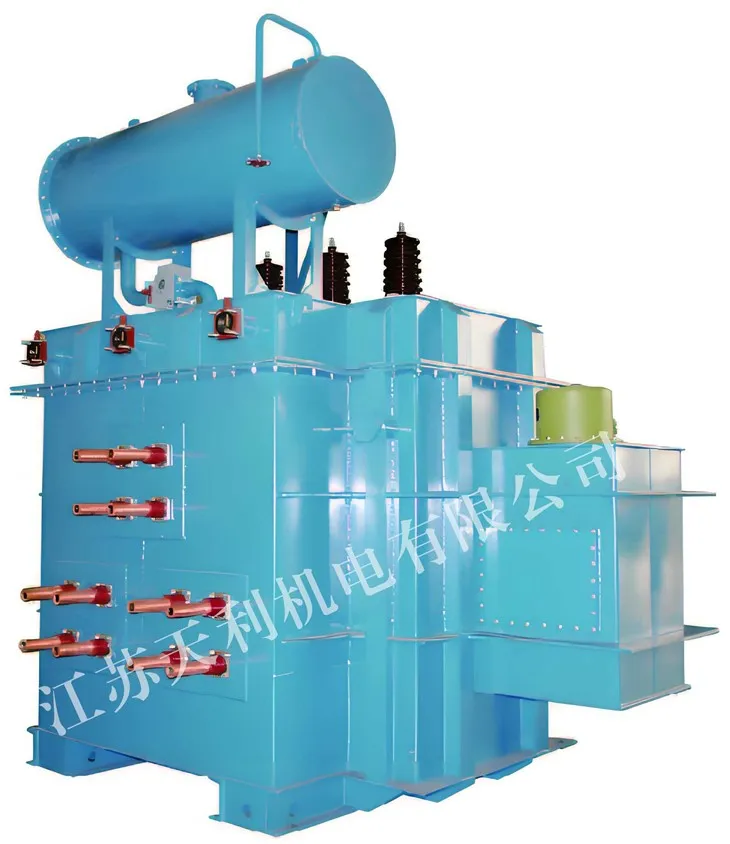
What is a Waterproof Transformer?
Before we dive into the effects of humidity, let's quickly go over what a waterproof transformer is. A waterproof transformer is designed to operate in wet or humid conditions without getting damaged. It's commonly used in outdoor settings, like gardens, swimming pools, and industrial areas where water or moisture might be present. These transformers are built with special materials and coatings to protect their internal components from water ingress.
How Humidity Works
Humidity refers to the amount of water vapor present in the air. It's measured as a percentage, with 100% humidity meaning the air is completely saturated with water vapor. High humidity levels can occur in various environments, such as tropical regions, near bodies of water, or in areas with poor ventilation.
The Effects of Humidity on a Waterproof Transformer
1. Corrosion
One of the most significant impacts of humidity on a waterproof transformer is corrosion. When the air is humid, the water vapor can condense on the surface of the transformer. Over time, this moisture can react with the metal components of the transformer, such as the casing, terminals, and windings, causing them to rust. Corrosion can weaken the structural integrity of the transformer, leading to potential failures and safety hazards.
For example, if the terminals of the transformer corrode, it can increase the resistance in the electrical connections. This increased resistance can cause overheating, which not only reduces the efficiency of the transformer but also poses a fire risk.
2. Insulation Degradation
The insulation materials used in a waterproof transformer are designed to prevent electrical current from leaking and to protect the internal components. However, high humidity can degrade these insulation materials. Water molecules can penetrate the insulation, reducing its dielectric strength.
As the insulation deteriorates, the risk of electrical breakdown increases. This can lead to short circuits, which can damage the transformer and disrupt the electrical supply. In some cases, insulation degradation can also result in partial discharges, which produce ozone and other harmful gases.
3. Mold and Mildew Growth
Humid environments are ideal for the growth of mold and mildew. These microorganisms can grow on the surface of the transformer, especially in areas where there is poor ventilation or where moisture is trapped. Mold and mildew not only look unsightly but can also cause damage to the transformer.
The growth of mold and mildew can block ventilation openings, reducing the cooling efficiency of the transformer. This can cause the temperature of the transformer to rise, leading to premature aging and potential failures. Additionally, mold and mildew can release spores into the air, which can be harmful to human health if inhaled.
4. Reduced Efficiency
Humidity can also affect the efficiency of a waterproof transformer. When the insulation is degraded or the electrical connections are corroded, the transformer has to work harder to maintain the same level of performance. This increased workload can lead to higher energy consumption and lower efficiency.
For instance, if the windings of the transformer are affected by corrosion or insulation degradation, the magnetic field generated by the transformer may be distorted. This can result in increased losses and reduced power transfer efficiency.
Preventing the Effects of Humidity
As a supplier of waterproof transformers, we understand the importance of taking steps to prevent the negative effects of humidity. Here are some measures that can be taken:
1. Proper Enclosure Design
The enclosure of the waterproof transformer should be designed to prevent water and moisture from entering. It should have a tight seal and be made of materials that are resistant to corrosion. Additionally, the enclosure should have proper ventilation to allow for the circulation of air and to prevent the buildup of moisture.
2. Humidity Monitoring
Installing humidity sensors in the vicinity of the transformer can help monitor the humidity levels. If the humidity exceeds a certain threshold, appropriate measures can be taken, such as increasing ventilation or using dehumidifiers.
3. Regular Maintenance
Regular maintenance is essential to ensure the long-term performance of a waterproof transformer. This includes inspecting the transformer for signs of corrosion, insulation degradation, and mold growth. Any damaged components should be replaced promptly, and the transformer should be cleaned regularly to remove dirt and debris.
4. Use of Protective Coatings
Applying protective coatings to the surface of the transformer can help prevent corrosion and moisture penetration. These coatings can provide an additional layer of protection against the effects of humidity.
Conclusion
Humidity can have a significant impact on the performance and lifespan of a waterproof transformer. Corrosion, insulation degradation, mold growth, and reduced efficiency are just some of the issues that can arise in humid environments. However, by understanding these effects and taking appropriate preventive measures, we can ensure that our waterproof transformers continue to operate safely and efficiently.
If you're in the market for a high-quality Waterproof Transformer, or if you have any questions about how humidity might affect your specific application, don't hesitate to reach out. We're here to help you make the right choice for your electrical needs. Whether you're looking for an Electric Furnace Transformer or a Phase-shifting Transformer, we've got you covered. Contact us today to start the procurement discussion and find the perfect transformer solution for you.
References
- Electrical Power Transformer Engineering by George Karady and John McCalley
- Handbook of Transformer Technology: Design and Application by Theodore Lesieutre