

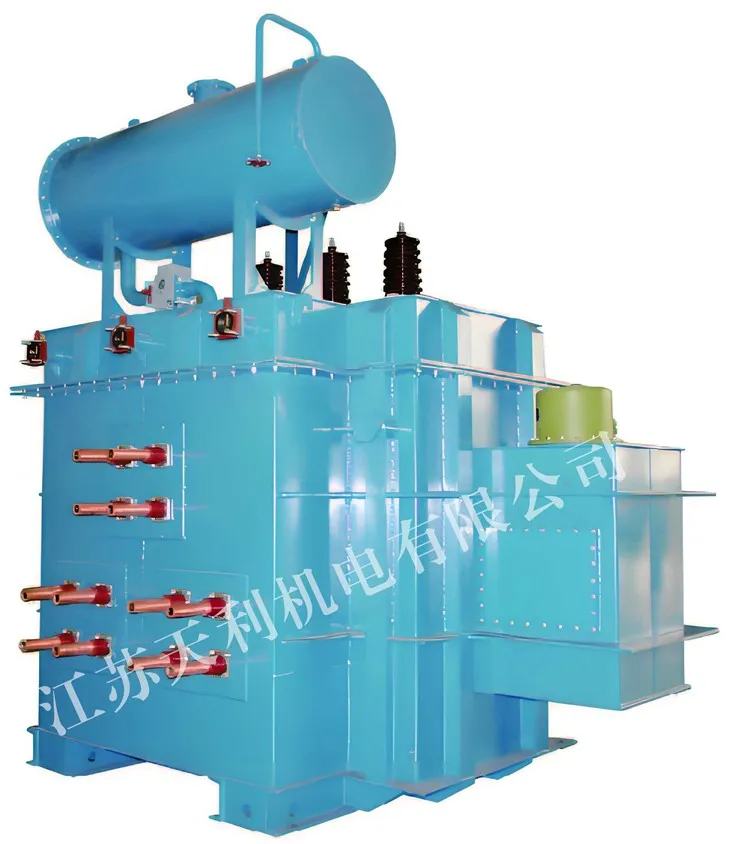
As a supplier of special transformers, I've seen firsthand the challenges that come with protecting these crucial pieces of equipment from overloading. Special transformers, such as Electric Furnace Transformer, Phase-shifting Transformer, and Air-water Cooled Transformer, are designed for specific applications, and overloading can lead to serious problems, including reduced lifespan, increased maintenance costs, and even complete failure.
Understanding Overloading
Before we dive into how to protect a special transformer from overloading, it's important to understand what overloading actually means. In simple terms, overloading occurs when the transformer is subjected to a load that exceeds its rated capacity. This can happen for a variety of reasons, such as sudden increases in demand, faulty equipment, or improper sizing of the transformer.
When a transformer is overloaded, it generates more heat than it can dissipate. This excess heat can cause the insulation materials inside the transformer to degrade, leading to short circuits and other electrical problems. Over time, repeated overloading can significantly reduce the lifespan of the transformer and increase the risk of failure.
Monitoring and Management
One of the most effective ways to protect a special transformer from overloading is through continuous monitoring and management. By keeping a close eye on the transformer's operating conditions, you can detect potential issues early and take corrective action before they become serious problems.
There are several key parameters that you should monitor, including:
- Load Current: This is the amount of current flowing through the transformer. By monitoring the load current, you can determine whether the transformer is operating within its rated capacity.
- Temperature: The temperature of the transformer is a critical indicator of its health. High temperatures can cause the insulation materials to degrade, so it's important to keep the temperature within the recommended range.
- Voltage: Fluctuations in voltage can also affect the performance of the transformer. By monitoring the voltage, you can ensure that the transformer is receiving a stable supply of power.
There are a variety of monitoring devices available that can help you keep track of these parameters. These devices can range from simple meters to sophisticated monitoring systems that can provide real-time data and alerts.
Proper Sizing
Another important factor in protecting a special transformer from overloading is proper sizing. When selecting a transformer, it's important to choose one that is rated for the specific application and load requirements. This will ensure that the transformer can handle the expected load without being overloaded.
When sizing a transformer, you need to consider several factors, including:
- Load Type: Different types of loads have different characteristics, such as inductive, capacitive, or resistive. You need to choose a transformer that is designed to handle the specific type of load.
- Load Capacity: You need to determine the maximum load that the transformer will be required to handle. This will help you choose a transformer with the appropriate rated capacity.
- Future Growth: It's also important to consider future growth when sizing a transformer. You want to choose a transformer that can handle the expected increase in load over time.
Cooling Systems
Proper cooling is essential for protecting a special transformer from overloading. Cooling systems help to dissipate the heat generated by the transformer, keeping the temperature within the recommended range.
There are several types of cooling systems available, including:
- Oil Cooling: Oil cooling is one of the most common methods of cooling transformers. The transformer is filled with oil, which acts as a coolant and helps to dissipate the heat.
- Air Cooling: Air cooling is another popular method of cooling transformers. In this method, air is circulated around the transformer to remove the heat.
- Water Cooling: Water cooling is a more efficient method of cooling transformers. In this method, water is circulated through a cooling system to remove the heat.
The type of cooling system you choose will depend on several factors, including the size and type of the transformer, the operating environment, and the load requirements.
Protection Devices
In addition to monitoring and management, proper sizing, and cooling systems, it's also important to use protection devices to protect a special transformer from overloading. Protection devices can help to detect and prevent overloading, as well as other electrical problems.
There are several types of protection devices available, including:

- Overcurrent Relays: Overcurrent relays are designed to detect when the current flowing through the transformer exceeds a certain threshold. When this happens, the relay will trip, disconnecting the transformer from the power supply.
- Overvoltage Relays: Overvoltage relays are designed to detect when the voltage applied to the transformer exceeds a certain threshold. When this happens, the relay will trip, disconnecting the transformer from the power supply.
- Thermal Protection Devices: Thermal protection devices are designed to detect when the temperature of the transformer exceeds a certain threshold. When this happens, the device will trip, disconnecting the transformer from the power supply.
By using these protection devices, you can help to ensure that the transformer is protected from overloading and other electrical problems.
Regular Maintenance
Finally, regular maintenance is essential for protecting a special transformer from overloading. By performing regular maintenance, you can identify and address potential issues before they become serious problems.
Some of the key maintenance tasks that you should perform include:
- Inspection: Regularly inspect the transformer for signs of damage, such as cracks, leaks, or corrosion.
- Cleaning: Keep the transformer clean and free of debris. This will help to ensure that the cooling system is working properly.
- Testing: Regularly test the transformer to ensure that it is operating within the recommended specifications.
- Lubrication: If the transformer has moving parts, such as fans or pumps, make sure to lubricate them regularly.
By performing these maintenance tasks on a regular basis, you can help to extend the lifespan of the transformer and reduce the risk of overloading.
Conclusion
Protecting a special transformer from overloading is essential for ensuring its reliable operation and longevity. By understanding the causes of overloading, monitoring and managing the transformer's operating conditions, proper sizing, using cooling systems and protection devices, and performing regular maintenance, you can help to protect your transformer from overloading and other electrical problems.
If you're in the market for a special transformer or need help protecting your existing transformer from overloading, don't hesitate to contact us. We're a leading supplier of special transformers, and we have the expertise and experience to help you find the right solution for your needs.
References
- Electrical Power Systems: Design and Analysis, by Turan Gonen
- Transformer Engineering: Design, Technology, and Diagnostics, by George Karady and James McGranaghan