

Hey there! As a supplier of LV (Low Voltage) transformers, I've seen firsthand how copper loss can be a real pain in the neck. It not only eats into your efficiency but also hikes up the operating costs. So, in this blog, I'm gonna share some tips on how to reduce copper loss in an LV transformer.
Understanding Copper Loss
Before we dive into the solutions, let's quickly understand what copper loss is. Copper loss, also known as I²R loss, occurs due to the resistance of the copper windings in the transformer. When current flows through these windings, the resistance causes some of the electrical energy to be converted into heat. This heat is essentially wasted energy, and it's what we're trying to reduce.
Choose the Right Conductor Material
The first step in reducing copper loss is to choose the right conductor material. Copper is the most commonly used material for transformer windings because of its high electrical conductivity and relatively low cost. However, not all copper is created equal. You want to use high-purity copper with a low resistance.
Some suppliers might offer copper with different purities, so make sure you're getting the best quality. High-purity copper has fewer impurities, which means less resistance and lower copper loss. It might cost a bit more upfront, but the long-term savings in energy costs are definitely worth it.
Optimize the Winding Design
The way the windings are designed can have a huge impact on copper loss. One key factor is the cross-sectional area of the conductors. A larger cross-sectional area means lower resistance, which in turn reduces copper loss.
But you can't just go for the biggest conductors possible. You also need to consider the physical space inside the transformer and the cost of the copper. So, it's a bit of a balancing act. You want to find the optimal cross-sectional area that gives you the lowest resistance without taking up too much space or breaking the bank.
Another aspect of winding design is the number of turns. The number of turns affects the voltage ratio and the current in the windings. By carefully calculating and adjusting the number of turns, you can optimize the current flow and reduce copper loss.
Improve the Cooling System
A good cooling system is crucial for reducing copper loss. When the temperature of the windings increases, the resistance of the copper also increases. This leads to higher copper loss. So, by keeping the windings cool, you can keep the resistance down and reduce the loss.
There are several ways to improve the cooling system. One common method is to use oil cooling. The transformer is filled with a special oil that helps to transfer heat away from the windings. The oil is then circulated through a cooling system, such as a radiator, to dissipate the heat.
Another option is air cooling. This can be done using fans or natural convection. Air cooling is simpler and more cost-effective, but it might not be as efficient as oil cooling for larger transformers.
Use High-Efficiency Transformers
If you're in the market for a new LV transformer, consider investing in a high-efficiency model. These transformers are designed to minimize losses, including copper loss. They often use advanced materials and design techniques to achieve higher efficiency.
For example, some high-efficiency transformers use amorphous metal cores, which have lower core losses compared to traditional silicon steel cores. They also have better winding designs and insulation materials to reduce copper loss.
Regular Maintenance
Regular maintenance is essential for keeping your transformer running efficiently and reducing copper loss. Over time, the windings can become dirty or damaged, which can increase the resistance and lead to higher losses.
Make sure to clean the transformer regularly to remove any dirt, dust, or debris. You should also inspect the windings for signs of damage, such as cracks or breaks. If you find any issues, have them repaired as soon as possible.
Consider Special Transformers
Depending on your specific application, you might want to consider using special transformers. For example, if you need a transformer that can withstand harsh environments, you might look into a Waterproof Transformer. These transformers are designed to be protected from water and moisture, which can help to prevent corrosion and damage to the windings.
If you're in the mining industry, a Mining Transformer might be a better choice. These transformers are built to handle the tough conditions and high loads typically found in mining operations.
And if you're working with electric furnaces, an Electric Furnace Transformer is specifically designed to meet the unique requirements of this application.
Conclusion
Reducing copper loss in an LV transformer is all about making smart choices. From choosing the right conductor material and optimizing the winding design to improving the cooling system and using high-efficiency transformers, there are several steps you can take to minimize losses and save energy.

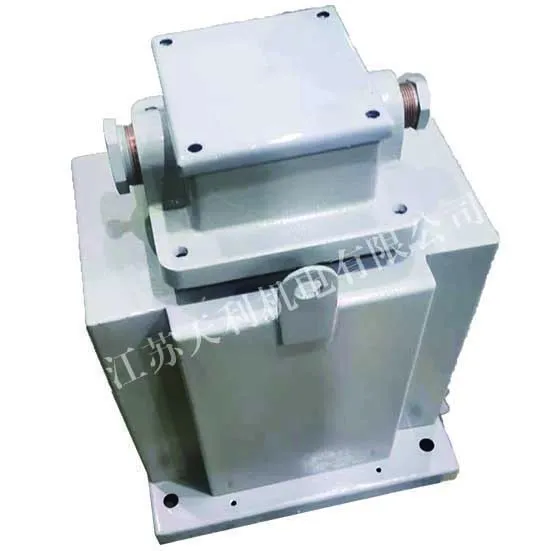
If you're interested in learning more about our LV transformers or have any questions about reducing copper loss, don't hesitate to reach out. We're here to help you find the best solution for your needs. Whether you're looking for a standard transformer or a special one for a specific application, we've got you covered. So, let's start a conversation and see how we can work together to make your operations more efficient and cost-effective.
References
- "Transformer Engineering: Design, Technology, and Diagnostics" by J. Arrillaga and N. R. Watson
- "Power System Analysis and Design" by J. Duncan Glover, Mulukutla S. Sarma, and Thomas J. Overbye