

Hey there! As a supplier of special transformers, I've seen firsthand how harmonic distortion can be a real pain in the neck for a lot of folks. The good news is, there are ways to reduce it. In this blog, I'm gonna share some tips and tricks on how to cut down the harmonic distortion of a special transformer.
First off, let's talk about what harmonic distortion is. Harmonics are basically unwanted frequencies that show up in an electrical system. They can mess with the normal operation of equipment, cause overheating, and even lead to premature failure. When it comes to special transformers, like Phase-shifting Transformer, Mining Transformer, and Electric Furnace Transformer, harmonic distortion can be a big deal.
One of the main causes of harmonic distortion in transformers is non - linear loads. These are loads that don't draw current in a smooth, sinusoidal way. For example, things like variable - speed drives, computers, and some types of lighting can create non - linear loads. When these non - linear loads are connected to a transformer, they inject harmonics into the electrical system.
So, how can we reduce this harmonic distortion?
1. Select the Right Transformer Design
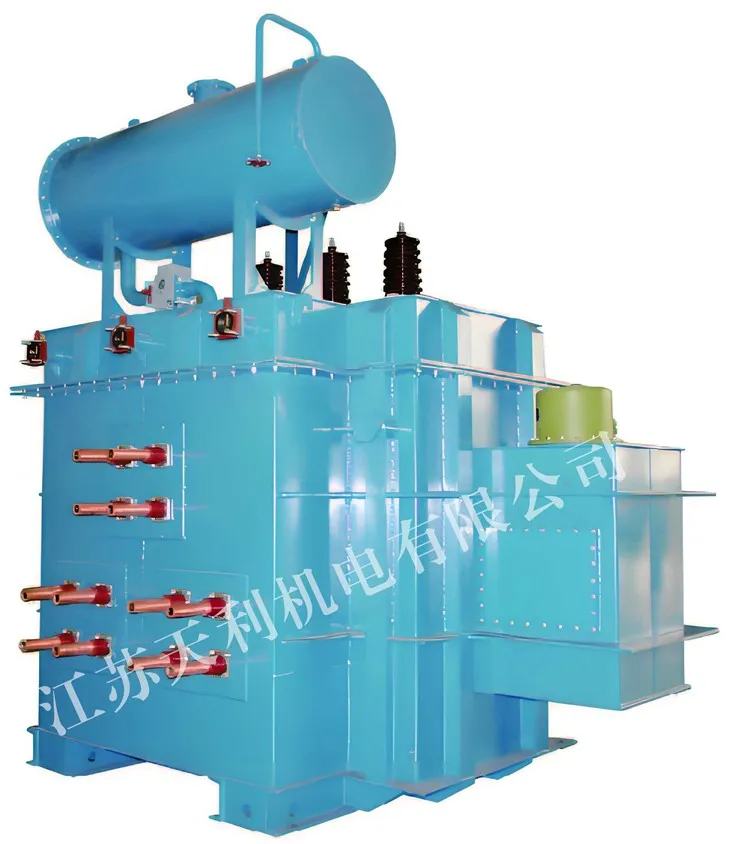
When choosing a special transformer, it's super important to pick one that's designed to handle harmonics. Some transformers are built with special winding configurations and materials that can help reduce harmonic currents. For instance, a transformer with a delta - wye connection can help cancel out some of the triplen harmonics (3rd, 9th, 15th, etc.). This is because the delta connection provides a path for the triplen harmonics to circulate within the transformer, preventing them from flowing into the rest of the electrical system.

2. Use Harmonic Filters
Harmonic filters are a great way to reduce harmonic distortion. There are two main types: passive and active filters.
Passive filters are made up of inductors, capacitors, and resistors. They work by creating a low - impedance path for the harmonic currents, diverting them away from the rest of the electrical system. These filters are relatively simple and cost - effective, but they have some limitations. For example, they can only filter specific harmonics and may need to be adjusted if the load changes.
Active filters, on the other hand, are more advanced. They use electronic components to detect and cancel out harmonic currents in real - time. Active filters can be more expensive than passive filters, but they offer better performance and can adapt to changing loads.
3. Proper Sizing of the Transformer
Sizing the transformer correctly is crucial. If a transformer is undersized for the load, it can lead to overheating and increased harmonic distortion. When sizing a transformer for a system with non - linear loads, you need to take into account the harmonic content of the load. You can use software or consult with an electrical engineer to determine the appropriate size of the transformer.
4. Load Management
Managing the loads connected to the transformer can also help reduce harmonic distortion. Try to distribute non - linear loads evenly across different phases. This can help balance the harmonic currents and prevent them from building up in one particular phase. Additionally, you can schedule the operation of non - linear loads to avoid peak demand periods, which can help reduce the overall harmonic distortion in the system.
5. Monitoring and Maintenance
Regular monitoring of the transformer's performance is essential. You can use power quality analyzers to measure the harmonic content of the electrical system. By monitoring the harmonics, you can detect any changes in the system and take corrective action before the problem gets out of hand.
Maintenance is also important. Make sure to keep the transformer clean and check for any signs of wear or damage. A well - maintained transformer is less likely to experience problems related to harmonic distortion.
6. Grounding and Bonding
Proper grounding and bonding are often overlooked but are crucial for reducing harmonic distortion. A good grounding system provides a low - impedance path for the harmonic currents to flow to the ground, preventing them from causing problems in the electrical system. Make sure all the electrical equipment is properly grounded and bonded to minimize the effects of harmonics.
In conclusion, reducing the harmonic distortion of a special transformer is a multi - faceted process. By selecting the right transformer design, using harmonic filters, sizing the transformer correctly, managing the loads, monitoring and maintaining the system, and ensuring proper grounding and bonding, you can significantly reduce the harmonic distortion in your electrical system.
If you're in the market for a special transformer and want to learn more about how to deal with harmonic distortion, or if you have any other questions, don't hesitate to reach out. We're here to help you find the best solution for your needs. Whether you're looking for a Phase-shifting Transformer, Mining Transformer, or Electric Furnace Transformer, we've got you covered.
References
- "Power System Harmonics: Analysis and Filter Design" by A. M. Hava and M. L. Crow
- "Transformer Engineering: Design, Technology, and Diagnostics" by J. L. Kirtley Jr.