

Power surges are a common and potentially damaging occurrence in electrical systems. As a supplier of Isolation Transformer, I am often asked about the isolation transformer's ability to handle power surges. In this blog post, I will delve into the science behind isolation transformers and their effectiveness in dealing with power surges, as well as discuss their limitations and other considerations.
Understanding Power Surges
Before we explore the role of isolation transformers in handling power surges, it is important to understand what power surges are and what causes them. A power surge is a brief increase in voltage in an electrical circuit, typically lasting from a few milliseconds to a few seconds. Power surges can be caused by a variety of factors, including lightning strikes, utility grid switching, and the operation of large electrical equipment such as motors and air conditioners.
Power surges can have a significant impact on electrical equipment. They can cause damage to sensitive components, such as integrated circuits and transistors, leading to malfunctions and premature failure of the equipment. In some cases, power surges can even pose a safety hazard, such as starting a fire or causing an electrical shock.
How Isolation Transformers Work
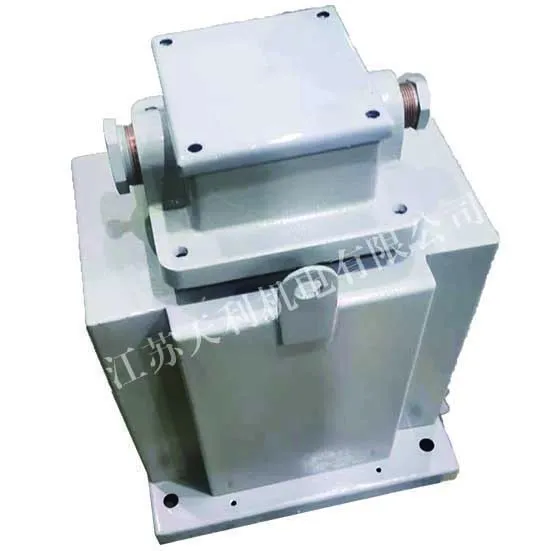
An isolation transformer is a type of transformer that provides electrical isolation between the input and output circuits. It consists of two or more coils of wire, known as windings, that are wound around a common core. The primary winding is connected to the input voltage source, while the secondary winding is connected to the load.
The key feature of an isolation transformer is that the electrical connection between the primary and secondary windings is through magnetic coupling rather than direct electrical contact. This means that the isolation transformer can block the flow of direct current (DC) and certain types of electrical noise, while allowing the transfer of alternating current (AC) power.
Isolation Transformers and Power Surges
Isolation transformers can play a crucial role in protecting electrical equipment from power surges. Here's how they work to handle power surges:
Voltage Isolation
One of the primary functions of an isolation transformer is to provide voltage isolation between the input and output circuits. This isolation can help to prevent power surges from reaching the connected equipment. When a power surge occurs on the input side of the transformer, the isolation transformer can block the surge voltage from passing through to the output side, protecting the equipment from damage.
Filtering of Electrical Noise
In addition to providing voltage isolation, isolation transformers can also filter out certain types of electrical noise associated with power surges. Electrical noise can be caused by various sources, such as electromagnetic interference (EMI) and radio frequency interference (RFI). Isolation transformers can help to reduce this noise by acting as a low-pass filter, allowing only the desired AC power to pass through to the load.

Limiting the Effects of Surges
Isolation transformers can also help to limit the effects of power surges on electrical equipment. When a power surge occurs, the isolation transformer can absorb some of the excess energy and dissipate it as heat. This can help to prevent the surge from causing damage to the connected equipment.
Limitations of Isolation Transformers in Handling Power Surges
While isolation transformers are effective at providing voltage isolation and filtering electrical noise, they do have some limitations when it comes to handling power surges.
Surge Magnitude
Isolation transformers have a limited ability to handle very large power surges. If the magnitude of the power surge exceeds the transformer's rated voltage and current capacity, the transformer may be damaged or fail to provide adequate protection to the connected equipment.
Duration of the Surge
Isolation transformers are designed to handle short-duration power surges. If the power surge lasts for an extended period of time, the transformer may overheat and fail. In such cases, additional surge protection devices, such as surge suppressors or lightning arresters, may be required to provide comprehensive protection.
Frequency Response
Isolation transformers have a specific frequency response characteristic. They are designed to operate at a particular frequency, typically 50 or 60 Hz. If the power surge contains high-frequency components, the isolation transformer may not be able to effectively filter out these components, and they may still reach the connected equipment.
Other Considerations for Power Surge Protection
In addition to using isolation transformers, there are other measures that can be taken to protect electrical equipment from power surges. These include:
Surge Suppressors
Surge suppressors are devices that are designed to divert excess voltage from a power surge to the ground. They can be installed at the main electrical panel, at individual outlets, or on specific pieces of equipment. Surge suppressors can provide additional protection against power surges, especially for sensitive electronic equipment.
Lightning Arresters
Lightning arresters are devices that are designed to protect electrical systems from lightning strikes. They are typically installed on the exterior of buildings or on electrical poles and are connected to the ground. Lightning arresters can divert the high-voltage current from a lightning strike to the ground, preventing it from entering the electrical system.
Proper Grounding
Proper grounding is essential for protecting electrical equipment from power surges. A good grounding system provides a low-resistance path for electrical current to flow to the ground, which can help to dissipate the energy from a power surge. Grounding electrodes, such as ground rods or grounding plates, should be installed and maintained in accordance with local electrical codes.
Conclusion
Isolation transformers are an important component in protecting electrical equipment from power surges. They provide voltage isolation, filter out electrical noise, and help to limit the effects of power surges. However, they have some limitations and should be used in conjunction with other surge protection devices, such as surge suppressors and lightning arresters, to provide comprehensive protection.
As a supplier of Isolation Transformer, we offer a wide range of high-quality transformers that are designed to meet the specific needs of our customers. Our isolation transformers are available in various sizes and configurations, and we can also provide customized solutions to meet your unique requirements.
If you are interested in protecting your electrical equipment from power surges, we encourage you to contact us to discuss your options. Our team of experts can provide you with detailed information about our products and help you select the right isolation transformer for your application. We also offer Marine Low Voltage Transformer and Waterproof Transformer for specific environments. Let's work together to ensure the reliability and safety of your electrical systems.
References
- Electric Power Systems: A Conceptual Introduction, by Richard H. Lasseter
- Electrical Installation Calculations, by Rex T. Hawk
- Power System Analysis, by John J. Grainger and William D. Stevenson Jr.