

Hey there! As a supplier of LV (Low Voltage) transformers, I often get asked about the weight of these little power - players. So, I thought I'd sit down and write this blog to shed some light on what goes into the weight of an LV transformer.
First off, what exactly is an LV transformer? Well, it's a device that steps down high - voltage electricity to a lower, safer voltage for use in various applications. You'll find them in homes, small businesses, and industrial settings where low - voltage power is required.
Now, let's talk about what affects the weight of an LV transformer. The main components that contribute to its heft are the core and the windings.
The core is usually made of laminated steel. Why laminated? Well, it helps reduce eddy current losses. The amount of steel used in the core depends on the power rating of the transformer. A higher - power transformer needs a larger core to handle the increased magnetic flux. For example, a small LV transformer used in a household appliance might have a relatively small and lightweight core, while a transformer for a small industrial unit will have a bigger and heavier one.
The windings are another major factor. They're made of copper or aluminum wire. Copper is a better conductor, so it's often used in high - quality transformers. But it's also heavier than aluminum. The number of turns in the windings and the cross - sectional area of the wire determine the electrical characteristics of the transformer, and they also add to its weight. A transformer with more turns or thicker wire will be heavier.
Let's take a look at some common types of LV transformers and get an idea of their weights.
Distribution Transformers
These are used to distribute electrical power in residential and commercial areas. A small distribution transformer with a power rating of around 10 kVA might weigh anywhere from 100 to 200 kilograms. As the power rating goes up, say to 100 kVA, the weight can jump to 500 - 800 kilograms. The increase in weight is due to the larger core and more extensive windings needed to handle the higher power.
Control Transformers
Control transformers are used in control circuits to provide a stable low - voltage supply. They're usually smaller and lighter than distribution transformers. A typical control transformer with a power rating of 1 kVA could weigh around 10 - 20 kilograms. These transformers are designed to be compact and efficient, so they don't need large components.
Isolation Transformers
Isolation transformers are used to isolate electrical circuits from each other for safety or to reduce electrical noise. Their weight depends on their power rating and the type of insulation used. A small isolation transformer for a home audio system might weigh just a few kilograms, while a larger one for an industrial control panel could weigh 50 - 100 kilograms.
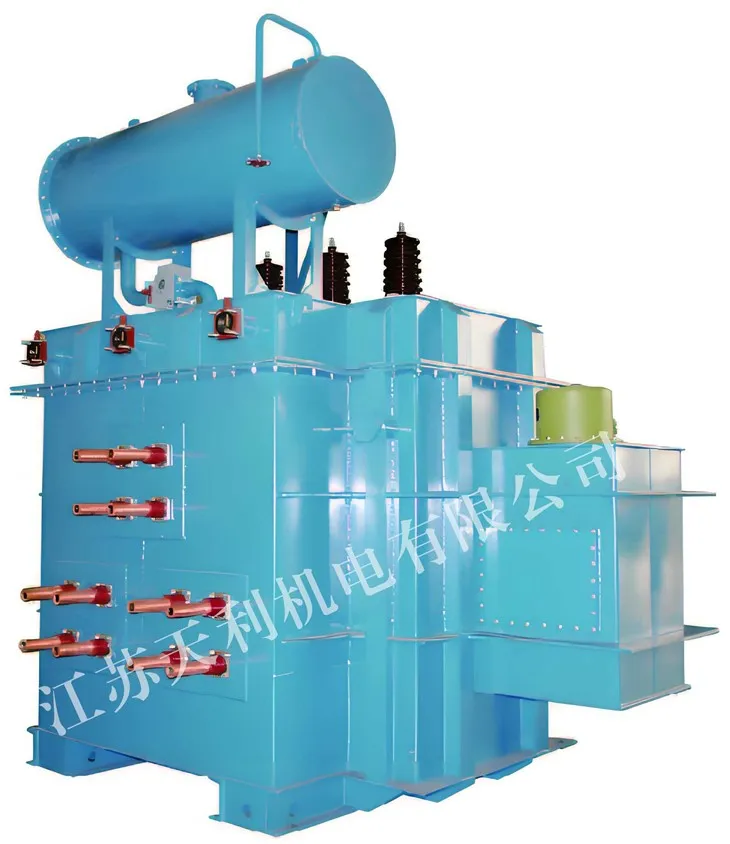
Now, if you're in the market for some specialized transformers, we also offer Medium Frequency Transformer, Electric Furnace Transformer, and Mining Transformer. These transformers have unique design requirements, and their weights can vary widely based on their specific applications.
Medium frequency transformers are designed to operate at frequencies higher than the standard 50 or 60 Hz. They often have different core materials and winding configurations, which can affect their weight. Electric furnace transformers are built to handle the high power demands of electric furnaces, so they're usually quite heavy. Mining transformers need to be rugged and reliable to work in harsh mining environments, and their weight reflects the robust construction.
When it comes to shipping and installation, the weight of the LV transformer is a crucial consideration. A heavier transformer will require more robust lifting equipment and may incur higher shipping costs. That's why it's important to choose the right transformer for your application, not just in terms of electrical performance but also in terms of weight.
If you're wondering how to estimate the weight of an LV transformer for your specific needs, here's a simple rule of thumb. Look at the power rating. Generally, the weight of a transformer is proportional to its power rating. But keep in mind that this is a very rough estimate, as the design, materials, and manufacturing process can also have a big impact.

As a supplier, I've seen all kinds of projects where the weight of the transformer played a key role. For example, in a renovation project of an old building, the weight limit of the floor where the transformer was to be installed was a major constraint. We had to carefully select a lightweight yet powerful transformer to meet the electrical requirements without overloading the floor.
In another case, a customer was setting up a mobile power station. They needed a transformer that was lightweight enough to be easily transported but still capable of providing the necessary power. We were able to recommend a transformer with an optimized design that balanced weight and performance.
So, if you're in the market for an LV transformer, whether it's a standard distribution transformer or a specialized Medium Frequency Transformer, Electric Furnace Transformer, or Mining Transformer, I'm here to help. I can provide you with detailed information about the weight, electrical performance, and cost of different transformers.
If you're interested in learning more or starting a procurement discussion, don't hesitate to reach out. I'm always happy to have a chat and see how we can meet your specific needs.
References
- "Electrical Transformers: Principles, Design, and Applications" by John J. Cathey
- "Power System Analysis and Design" by J. Duncan Glover, Mulukutla S. Sarma, and Thomas J. Overbye