

Hey there! As a supplier of Electric Furnace Transformers, I've been in the thick of it, dealing with all sorts of transformers and getting to know their ins and outs. Today, I'm gonna break down the key components of an electric furnace transformer for you.
Core
The core is like the heart of an electric furnace transformer. It's usually made of laminated silicon steel sheets. Why laminated, you ask? Well, it helps to reduce eddy current losses. Eddy currents are those annoying little currents that circulate within the core and waste energy as heat. By using laminated sheets, we can minimize these losses and make the transformer more efficient.
The core provides a path for the magnetic flux. When an alternating current flows through the primary winding, it creates a changing magnetic field. This magnetic field then passes through the core and induces a voltage in the secondary winding. A good - quality core is crucial for the overall performance of the transformer. If the core has high losses, it can lead to overheating and reduced efficiency.
Windings
There are two main types of windings in an electric furnace transformer: the primary winding and the secondary winding. The primary winding is connected to the power source, and it's where the electrical energy first enters the transformer. The secondary winding, on the other hand, is connected to the load, which in this case is the electric furnace.

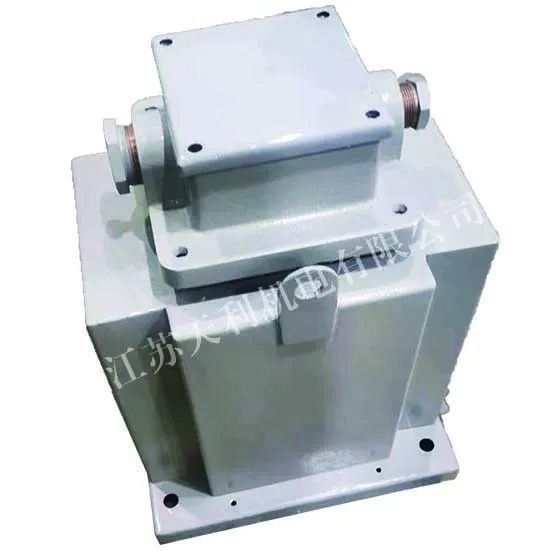
The windings are made of high - conductivity copper or aluminum. Copper is often preferred because it has better conductivity than aluminum, which means less energy is lost as heat during the transfer of electricity. The number of turns in the primary and secondary windings determines the voltage transformation ratio of the transformer. For example, if the primary winding has more turns than the secondary winding, the transformer is a step - down transformer, which reduces the voltage.
The insulation of the windings is also super important. It prevents short - circuits between the turns of the windings and between the windings and the core. High - quality insulation materials, such as epoxy resin or oil - impregnated paper, are used to ensure the reliability and safety of the transformer.
Tank and Cooling System
The tank is the outer casing of the transformer. It houses the core and the windings and provides protection from the external environment. The tank is usually made of steel and is designed to be strong and durable.
A proper cooling system is essential for an electric furnace transformer because it generates a lot of heat during operation. There are different types of cooling systems, such as oil - cooled and air - cooled systems.
In an oil - cooled system, the transformer is filled with a special insulating oil. The oil not only insulates the windings but also helps to transfer heat away from the core and the windings. The heated oil rises to the top of the tank and is then cooled by a radiator or a heat exchanger before flowing back to the bottom of the tank.
Air - cooled systems, on the other hand, use fans to blow air over the transformer to dissipate heat. They are often used in smaller transformers or in applications where oil - cooled systems are not suitable.
Tap Changer
A tap changer is an important component that allows us to adjust the voltage output of the transformer. In an electric furnace, the power requirements may vary depending on the type of melting process. The tap changer can change the number of turns in the winding, which in turn changes the voltage ratio.
There are two types of tap changers: on - load tap changers (OLTC) and off - load tap changers. OLTCs can be operated while the transformer is energized, which means we can adjust the voltage without interrupting the power supply. Off - load tap changers, as the name suggests, require the transformer to be de - energized before making any adjustments.
Bushings
Bushings are used to bring the electrical connections in and out of the transformer tank. They provide insulation between the high - voltage conductors inside the tank and the external electrical system. Bushings are made of materials such as porcelain or composite materials.
Porcelain bushings are very durable and have good insulation properties. However, they are heavy and can be prone to cracking. Composite bushings are lighter and more resistant to cracking, but they may require more maintenance.
Protection Devices
Protection devices are crucial for the safety and reliability of an electric furnace transformer. Some common protection devices include:
- Overcurrent Relays: These relays detect when the current flowing through the transformer exceeds a certain limit. If an overcurrent condition is detected, the relay will trip the circuit breaker to disconnect the transformer from the power source, preventing damage to the transformer.
- Overvoltage Relays: Similar to overcurrent relays, overvoltage relays detect when the voltage across the transformer exceeds a safe level. They also trip the circuit breaker to protect the transformer.
- Temperature Sensors: Temperature sensors are used to monitor the temperature of the core and the windings. If the temperature gets too high, an alarm can be triggered, or the transformer can be automatically shut down to prevent overheating.
Comparison with Other Special Transformers
It's worth comparing electric furnace transformers with some other special transformers. For example, a Phase - shifting Transformer is used to control the phase angle of the voltage in a power system. It allows for better control of power flow and can improve the stability of the grid.
A Waterproof Transformer is designed to be used in wet or harsh environments. It has special sealing and insulation to prevent water from entering the transformer and causing damage.
A Mining Transformer is used in mining operations. It needs to be rugged and reliable to withstand the harsh conditions in mines, such as dust, vibration, and moisture.
Conclusion
So, there you have it - the key components of an electric furnace transformer. Each component plays a vital role in the performance, efficiency, and safety of the transformer. Whether you're running a small - scale melting operation or a large - scale industrial furnace, having a high - quality electric furnace transformer is essential.
If you're in the market for an electric furnace transformer or have any questions about these components, don't hesitate to reach out. We've got a wide range of transformers to suit different needs, and our team of experts is always ready to help you find the perfect solution for your application. Let's start a conversation and see how we can meet your requirements!
References
- "Transformer Engineering: Design, Technology, and Diagnostics" by V. Ganapathy
- "Electrical Power Systems Quality" by Roger C. Dugan, Mark F. McGranaghan, Surya Santoso, and H. Wayne Beaty