

Hey there, folks! As a supplier of isolation transformers, I often get asked about the maximum operating temperature of these nifty devices. So, I thought I'd take a moment to break it down for you in a way that's easy to understand.
First off, let's talk about what an isolation transformer is. In simple terms, it's a type of transformer that provides electrical isolation between the input and output circuits. This isolation helps to protect equipment and people from electrical shocks and reduces the risk of electrical interference. Isolation transformers are used in a wide range of applications, from industrial machinery to medical equipment and even in our homes.

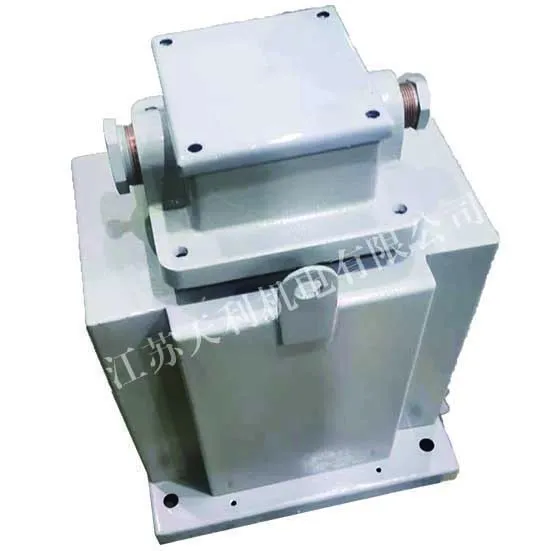
Now, onto the main question: what's the maximum operating temperature of an isolation transformer? Well, it's not a one - size - fits - all answer. The maximum operating temperature can vary depending on several factors.
One of the most important factors is the insulation class of the transformer. Transformers are typically classified based on the type of insulation materials used, and each class has a specific maximum temperature rating. For example, Class A insulation has a maximum temperature rating of 105°C, Class B has a rating of 130°C, and Class H has a rating of 180°C. These ratings are based on the ability of the insulation material to withstand heat without degrading over time.
Another factor that affects the maximum operating temperature is the ambient temperature. Ambient temperature refers to the temperature of the surrounding environment where the transformer is installed. If the ambient temperature is high, the transformer will have to work harder to dissipate heat, which can limit its overall operating temperature. For instance, if you install a transformer in a hot industrial environment with an ambient temperature of 40°C, it won't be able to reach the maximum temperature rating of its insulation class as easily as it would in a cooler environment.
The load on the transformer also plays a crucial role. When a transformer is operating under a heavy load, it generates more heat. The more current that flows through the transformer's windings, the more heat is produced due to the resistance in the wires. So, if you're constantly running your isolation transformer at or near its maximum capacity, it's going to get hotter and may reach its maximum operating temperature more quickly.
Overheating in an isolation transformer can lead to a whole host of problems. The insulation material can start to break down, which can reduce the transformer's lifespan and increase the risk of electrical shorts. It can also cause the transformer to operate less efficiently, leading to higher energy consumption and potential damage to connected equipment.
To ensure that your isolation transformer operates within a safe temperature range, there are a few things you can do. First, choose the right insulation class based on your application and the expected operating conditions. If you're in a hot environment or plan to run the transformer at a high load, opt for a transformer with a higher insulation class.
Proper ventilation is also key. Make sure to install the transformer in a well - ventilated area where heat can easily dissipate. You might even consider using additional cooling methods, like fans or heat sinks, to help keep the temperature down, especially in high - demand situations.
Regular maintenance is another important aspect. Check the transformer regularly for signs of overheating, such as discoloration or a burning smell. Keep the transformer clean to prevent dust and debris from accumulating on the windings, which can insulate the heat and cause the temperature to rise.
Now, as a supplier, I want to mention some of the other types of transformers we offer. If you're in the market for a specialized transformer, we've got you covered. We have Electric Furnace Transformer designed specifically for the high - power requirements of electric furnaces. These transformers are built to handle the extreme heat and electrical loads associated with furnace operations.
For applications where water resistance is a concern, we offer Waterproof Transformer. These transformers are sealed and protected to prevent water damage, making them ideal for outdoor or wet environments.
And if you need a transformer that can shift the phase of an electrical signal, our Phase - shifting Transformer is the way to go. They're used in power systems to control power flow and improve grid stability.
If you're looking to purchase an isolation transformer or any of our other specialized transformers, don't hesitate to reach out. We can help you choose the right product based on your specific needs and answer any questions you may have about operating temperatures, installation, or maintenance.
In conclusion, understanding the maximum operating temperature of an isolation transformer is crucial for its proper functioning and longevity. By considering factors like insulation class, ambient temperature, and load, you can ensure that your transformer operates safely and efficiently. And if you're in the market for a transformer, we're here to assist you every step of the way.
References
- Electrical Power Systems: Design and Analysis by Turan Gönen
- Transformers: Theory, Design, and Application by John F. Gieras and M. Z. J. Nawrocki